
Baato (n. [Nepali] 1. path, trail; 2. way; 3. road)
A beautifully-nuanced documentary, Baato records the lives of a family in Eastern Nepal. Observing their preservation of traditional practices are film-makers, Lucas Millard and Kate Stryker, who take us on a journey.
Living in a remote village, Mikma Bhutik Bhotia‘s family are filmed harvesting plants for use in Chinese medicine. Their journey, taken each year, sees them travel south, selling the plants at an urban market.
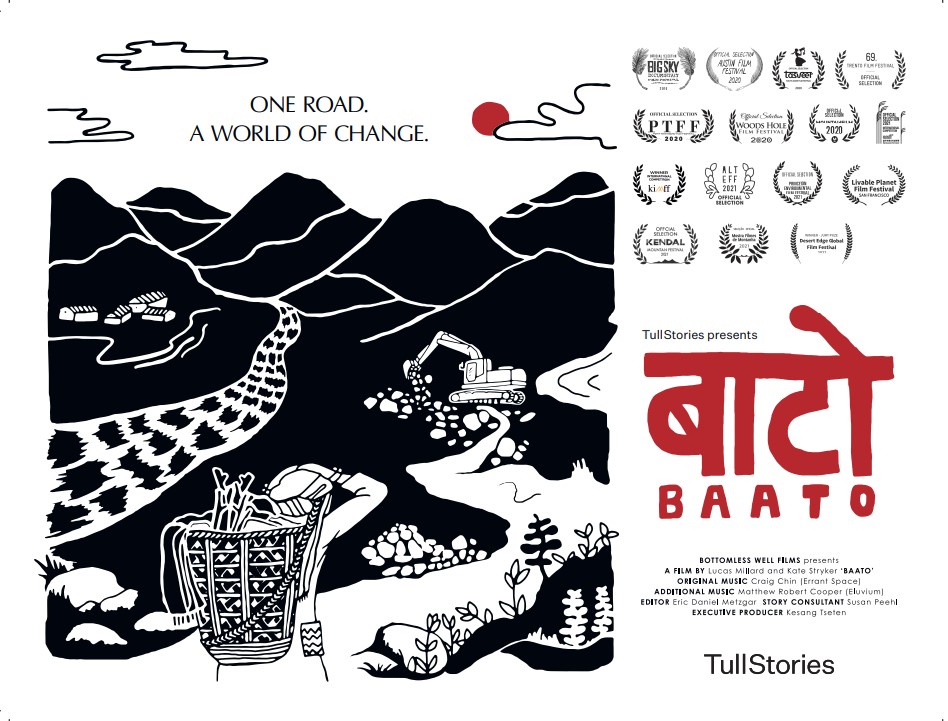
This annual migration, a trek of 300 kilometres, is known by the villagers as ‘kavela’– it has been part of village life for centuries. Millard and Stryker follow Mikma as her entire family set out for market. No-one is left behind: even the family puppy is brought along, to her son’s delight!
Millard and Stryker make it clear that this is not only a family business, handed down from generation to generation, but the whole village relies on their collated wisdom. Just before they leave, a neighbour complains he has flu. Mikma hands him a concoction: “drink this, sleep, you’ll be fine”. In an area where outside assistance is days away, self-sufficiency is key.

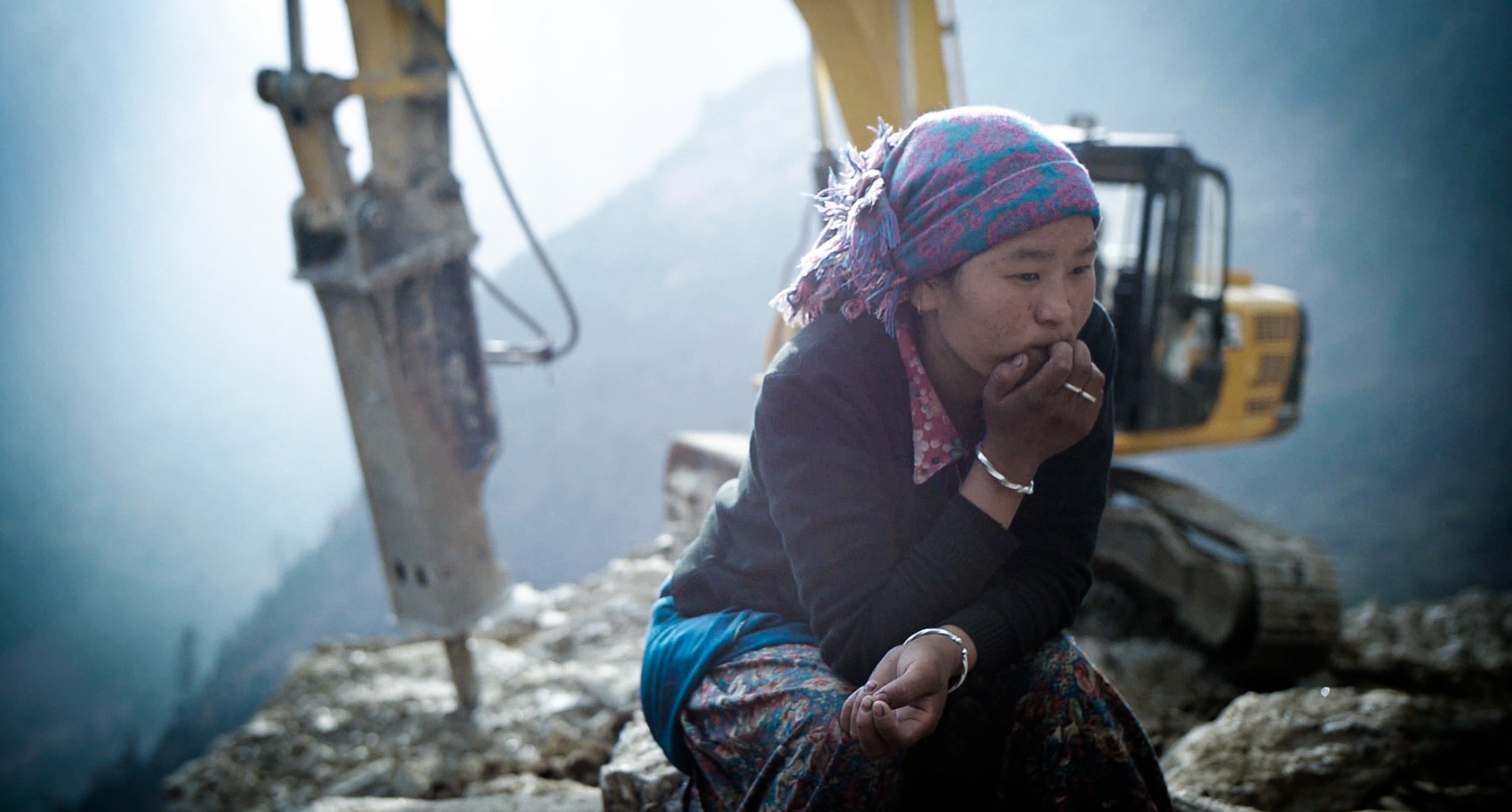
The camera follows Mikma’s family: the path they take has been worn down into stone. This is rough terrain: the camera tilts wildly as the family confidently pick their way down through a ravine. The last days of the journey are relieved with a bus ride into town, but it is here that we see that a construction crew has broken ground on a new highway. The road aims to reach into the remotest corners of China. The news has reached Mikma’s village and the response is mixed. As Mikma notes poignantly: “we’ve been in the habit of walking forever”.
Baato shows how Mikma’s traditional way of life is being confronted by the inexorable reach of progress. We watch as the land is carved up: an old woman frets as a JCB hacks its way through her potato field. Houses that are in the way are marked for demolition, with a bluntly painted red ‘X’ on the front wall. The families are refusing to move.
Where Baato veers away from expectation is in its application of editorial balance. The film-makers are rarely heard, and we are expected to piece together information for ourselves. The film spends time with the construction workers: they become less of a faceless enemy, we get an idea of their personalities as they interact with each other. There is also a sense of an older wisdom at work: the attempts to blast through centuries-old rock proves harder than expected; the march of progress is invariably halted by mud and landslides. The environment, treacherous and unpredictable, is not so easily managed.
In its respectful portrayal of village life, Baato is reminiscent of Pawo Choyning Dorji’s Lunana: Yak in the Classroom. But unlike the narrative handle used in Yak, Baato has an inescapable sense of urgency. Even in a glorious set piece, where the family are stuck on a bridge as a farmer’s fleet of bulls are heading in the opposite direction, the issue of progress is raised. As everyone tries to negotiate their way past a particularly stubborn bull, Mikma’s boy cries out in fright. A road would allow ample room for livestock and travellers to pass by.
Baato maintains a light editorial touch throughout, and it results in a documentary where the subject is seen from all sides. Technology may be advancing, but ideas and habits lodged in tradition are persistent, but Millard and Stryker hold an ambivalent stance, and as the film ends on a location shot of ancient Chinese hills, the sound of digging reverberates.




![Unquiet Guests review – Edited by Dan Coxon [Dead Ink Books]](https://criticalpopcorn.com/wp-content/uploads/2025/10/ug-reddit-ad-e1761690427755.jpg?w=895)

![Martyrs 4K UHD review: Dir. Pascal Laugier [Masters Of Cinema]](https://criticalpopcorn.com/wp-content/uploads/2025/10/image-1-e1761586395456.png?w=895)




![Why I Love… Steve Martin’s Roxanne [1987]](https://criticalpopcorn.com/wp-content/uploads/2016/11/roxanne.jpg?w=460)


 Critical popcorn
Post your thoughts