The mystery surrounding the death of Charles Walton has been the source of speculation for years. One of the most quietly notorious crimes of its era, it effectively gave birth to an entire subgenre of British horror – the folk horror. The Last Sacrifice is an energetic and compelling exploration of what may have been Britain’s last ritual killing.
The murder itself is shrouded in a very morbid intrigue. On Valentine’s Day in 1945, the elderly and unassuming Walton was found dead on Meon Hill in Lower Quinton, East Warwickshire. Bludgeoned, impaled with a pitchfork, and—according to some—marked with a cross on his chest, his death was immediately linked to pagan ritualism. Despite the efforts of renowned detective Robert Fabian, the murder was never solved, leading to widespread speculation about witchcraft, paganism, and the occult.

The bizarre, grisly nature of the murder directly inspired a swathe of occult fiction, from authors like Dennis Wheatley and David Pinner to groundbreaking television, including Penda’s Fen, Robin Red-Breast, and film, most famously, The Wicker Man. Russell deftly intersperses the true crime narrative with scenes from this seminal horror film, while also drawing connections to modern folk horror, such as Midsommar, Kill List, and Men.
Director Rupert Russell elevates what could have been a straightforward true crime documentary into a broader exploration of the rise of paganism in the 1960s and 70s. He provides a balanced account of the era’s spiritual movements, highlighting the charismatic leaders of various covens, like the genuinely unsettling Gerald Gardner and the apparently much more down-to-earth Alex Sanders.

Russell’s style recalls Julien Temple’s, skillfully blending archival footage, film clips, and documentary excerpts to create a richly textured study of folk horror’s evolution. The documentary is punctuated by horror film clips—from classics like Witchfinder General, The Devil Rides Out, and Blood on Satan’s Claw to lesser-known gems such as The Plague of the Zombies and Eye of the Devil. Russell uses these clips to fill in the blanks in the narrative, as well as archive footage and clips from documentaries which help with the overall vintage feel. These moments enrich the storytelling, providing historical context while reinforcing the eerie atmosphere.
It’s an engaging, if sometimes ghoulish experience, as rows of film critics and experts on the occult provide analysis about the killing as if it was some cultural phenomenon rather than a horrific crime. While this perspective is compelling, it sometimes feels callous, as Walton himself remains somewhat of a footnote. There’s little focus on him as a person or the personal tragedy of his murder. While the morbid fascination with the crime is understandable, the lack of human perspective is noticeable.
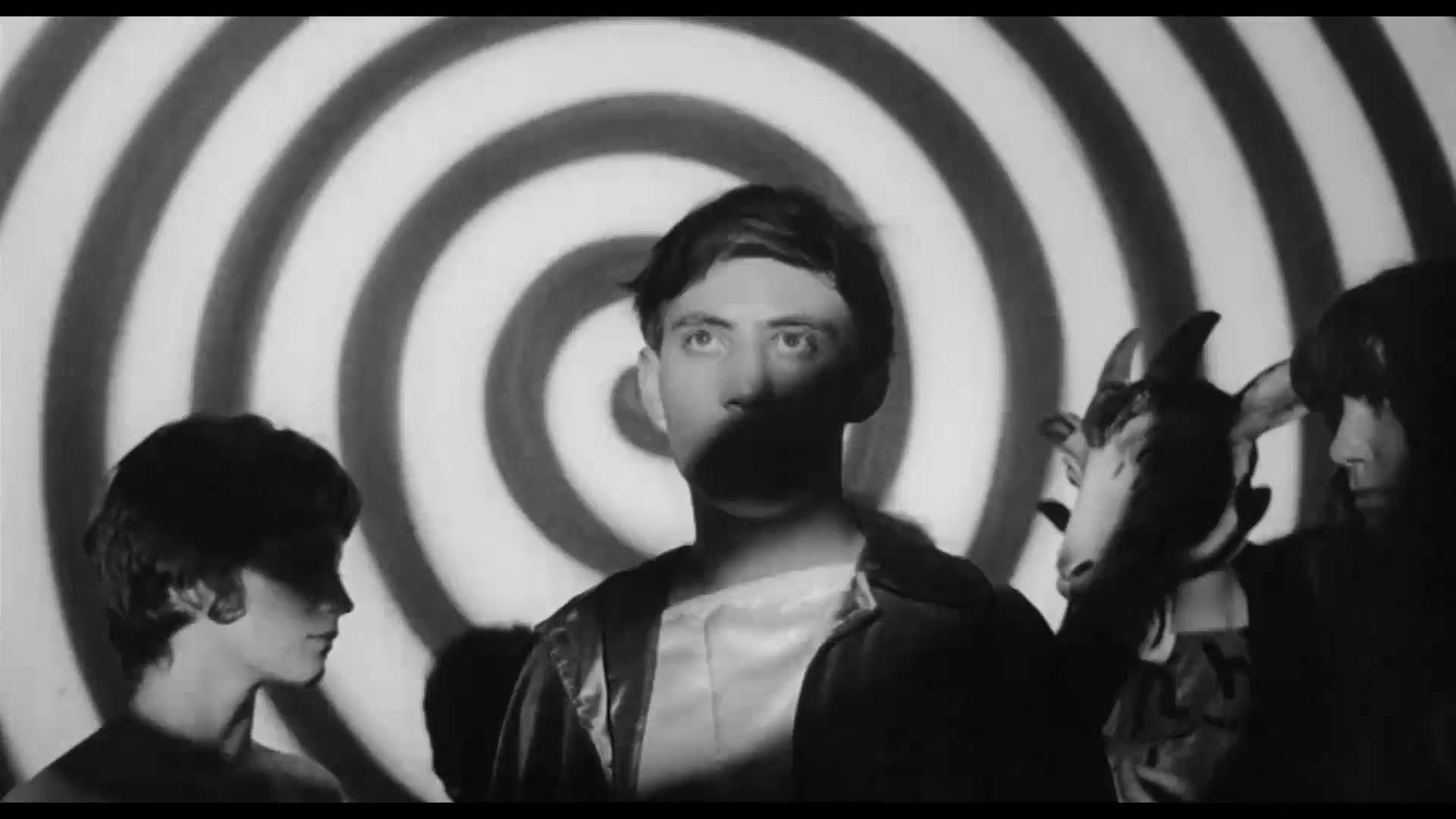
That said, Russell’s account of the murder is thorough and even-handed. He gathers an impressive roster of experts, including Jonathan Rigby, Professor Ronald Hutton, Simon Read, Leila Latif, and Dr. Diane Rogers, each offering valuable insights into both the crime and its cultural impact. The documentary also paints a vivid portrait of the eerie underbelly of post-war Britain, where remnants of an ancient world coexisted with the emergence of the swinging sixties and The Beatles. The inclusion of The Power of the Witch adds an extra layer of authenticity, giving us a clear sense of time and place and enhancing the film’s immersive and unsettling atmosphere.
One of the documentary’s most compelling aspects is its exploration of a familiar horror trope: the outsider entering a closed-off village full of secretive, uncooperative residents. This narrative device, central to The Wicker Man, could have originated from the Walton case itself. Reports suggest that locals were at best obstructive and at worst deliberately misleading. Some theories even posit that Walton was murdered as a scapegoat for poor crops—a notion that further cements the crime’s folkloric status.
Ultimately, The Last Sacrifice is a fascinating documentary that vividly portrays the shadowy undercurrents of mid-century Britain. While it sometimes prioritizes the sensational over the personal, it remains an engrossing watch that sheds light on both a chilling unsolved crime and its lasting impact on horror cinema. It also serves as an enticing gateway into a treasure trove of folk horror films that might otherwise go unnoticed.
A playful epilogue adds an amusing and bizarre touch, reminding viewers not to take it all too seriously—though by that point, the film’s unsettling spell has already been cast.


![Unquiet Guests review – Edited by Dan Coxon [Dead Ink Books]](https://criticalpopcorn.com/wp-content/uploads/2025/10/ug-reddit-ad-e1761690427755.jpg?w=895)
![Martyrs 4K UHD review: Dir. Pascal Laugier [Masters Of Cinema]](https://criticalpopcorn.com/wp-content/uploads/2025/10/image-1-e1761586395456.png?w=895)
![Why I Love… Steve Martin’s Roxanne [1987]](https://criticalpopcorn.com/wp-content/uploads/2016/11/roxanne.jpg?w=460)


 Critical popcorn
Post your thoughts