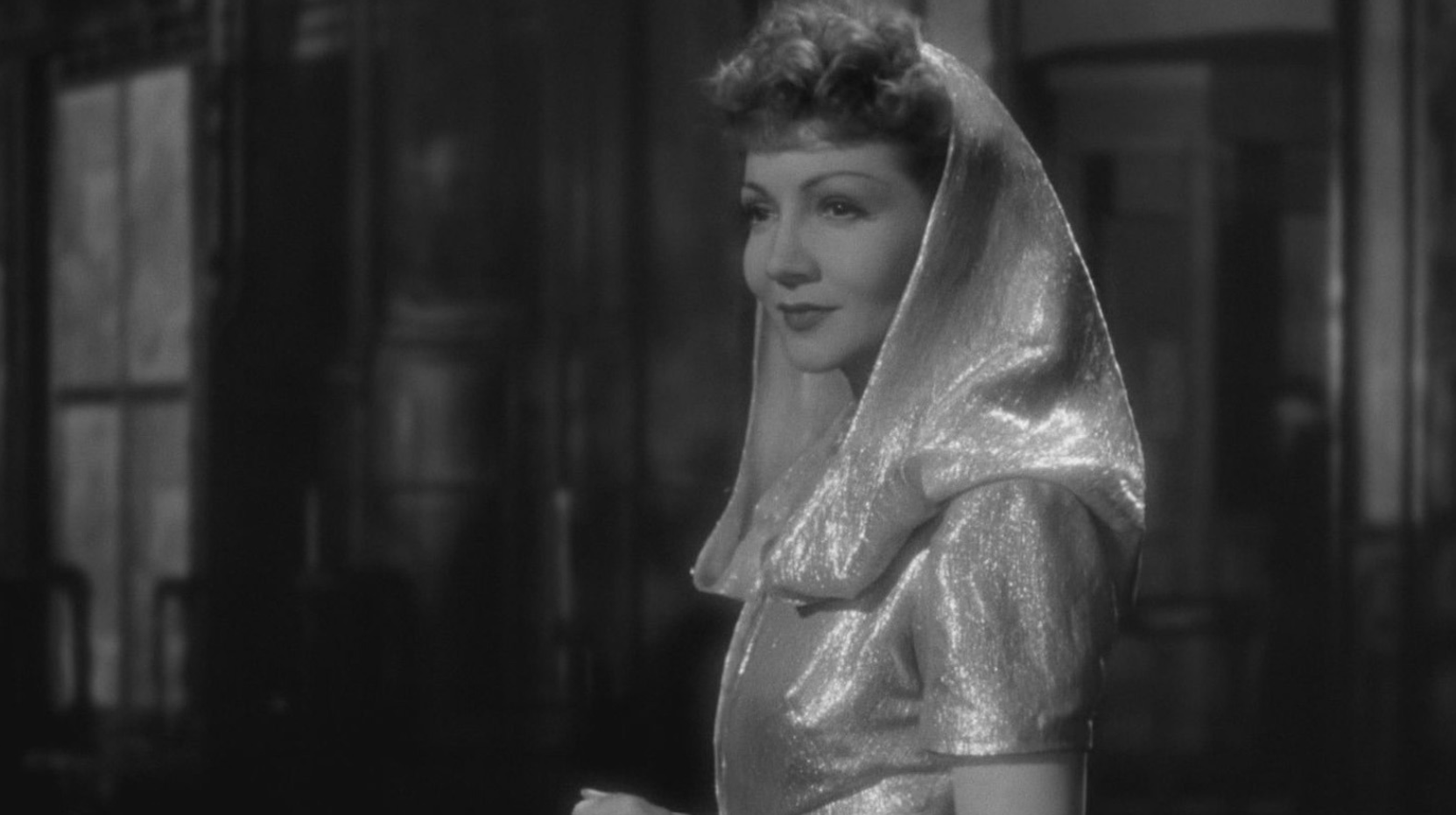
This is one of those times where I am so glad I took a punt on a film I knew next to nothing about. With a characteristically caustic screenplay from Billy Wilder and Charles Brackett and a winning lead performance from Claudette Colbert, Midnight is a delight from start to finish, easily holding it’s own among celebrated classics of the genre like Ninotchka, The Lady Eve and His Girl Friday.
The plot is suitably convoluted, but the bare bones is this: Eve Peabody (Colbert) is a penniless showgirl who arrives in Paris with nothing but a glamorous gown to her name. She quickly crosses paths with Tibor Czerny (Don Ameche), a warm-hearted Hungarian cabby who drives her from nightclub to nightclub as she searches for work. She ends up crashing a society party, where catches the eye of aristocrat Georges Flammarion (John Barrymore), who comes to her with a mutually beneficial proposal, a facade that will save his marriage and change Eve’s fortunes forever. But the fly in the ointment is Tibor, whose dogged pursuit of Eve coupled with his stubborn moral compass complicates her plans.

Sometimes when preparing a review, you bring certain preconceptions about what angle you will bring – when watching Midnight I was fully prepared to dismiss Mitchell Leisen, as he is a director I am not familiar with, (outside of a particularly strong Twilight Zone episode) while Billy Wilder, one of my all-time favourites, seemed the real auteur. I was expecting to write a review praising the script and calling the direction pedestrian (an opinion apparently shared by Wilder, who was unfairly dismissive of Leisen). In fact, Midnight proves a dazzling showcase for Leisen’s direction. His attention to character and performances yields authentic, genuinely lived-in performances that feel fresh and unpredictable, even today. The film flows with assured elegance, and the curtain-call ending – featuring each principal character walking past the camera – is a lovely, theatrical flourish.
Claudette Colbert is every inch a star as Eve; brassy, unsentimental and opportunistic without ever crossing into callousness. In contrast to her socialite role in It Happened One Night, here she plays a more grounded, world-weary character whose vulnerability only ever peeks through the cracks of her cynical facade. She could so easily be an unsympathetic character, but the fact she is so candid about her motivations makes her irresistible.
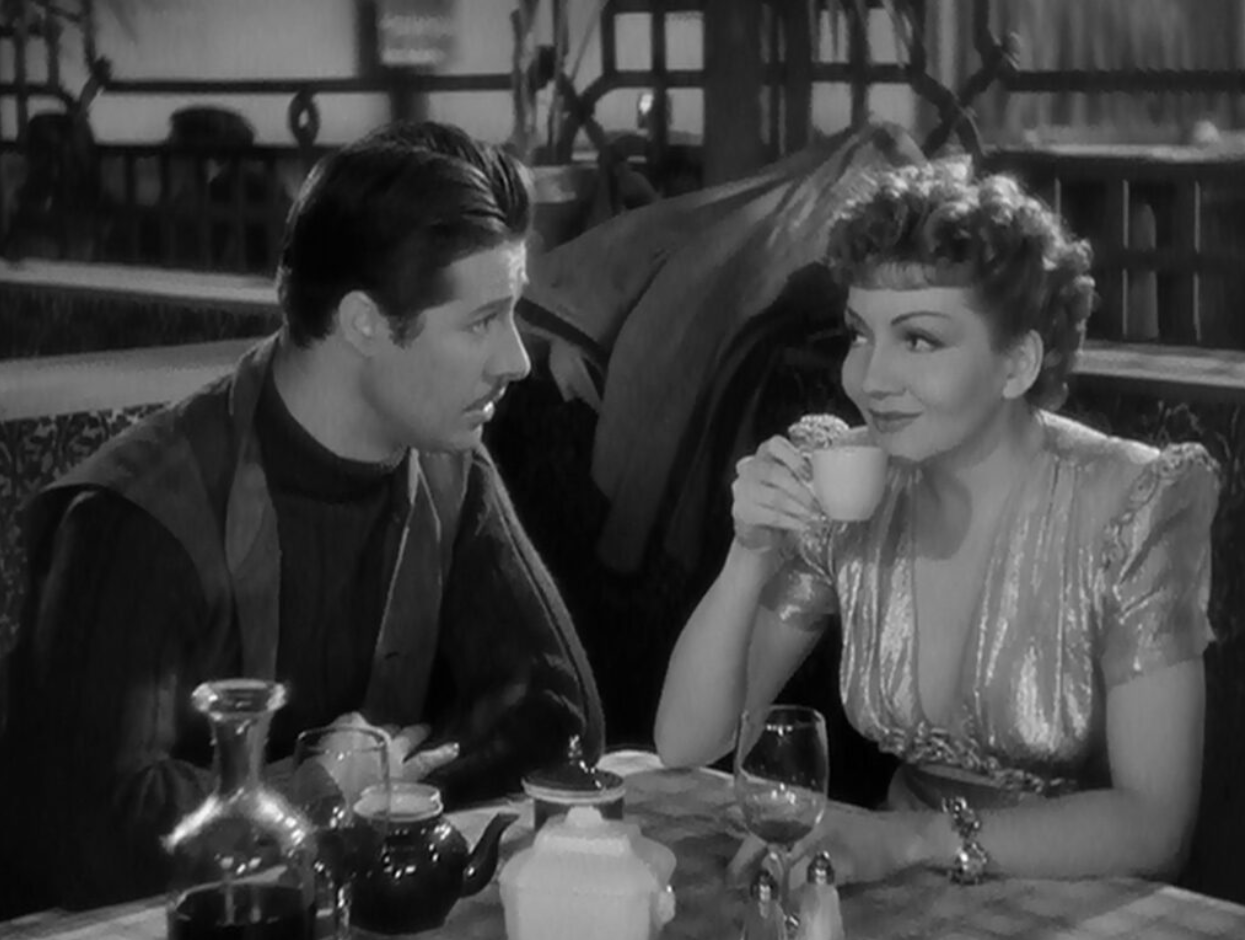
Don Ameche is similarly charming as Tibor. He’d been in several films already as debonair socialites, and it’s both unexpected and fitting that his breakout role was a departure from his established type. Here he is earnest, witty, and the emotional anchor of the story. It’s hard to reconcile him with the curmudgeonly role he later played in Trading Places, but his youthful charisma is magnetic here. The chemistry between him and Colbert is playful and modern, and the curious choice to separate the two for the majority of the film only enhances their dynamic when they reunite ahead of the film’s conclusion.
Of the rest of the cast, John Barrymore gives a fun performance, often doing a lot with just his eyes conveying his impish side – although his stage background shows through in a couple of very broad moments where subtlety might have been an improvement. Mary Astor was 2 years away from her star-making performance in The Maltese Falcon, but I would say she is much better here as the haughty, insecure aristocrat determined to see Eve knocked off her pedestal. Rex O Malley is also brilliant as Astor’s best friend, filling his role with little touches that make him feel like a real person, cheerfully soaking in the drama of the situation. Finally Monty Woolley comes close to stealing the film in his extended cameo as the judge at the film’s close, with a final line guaranteed to elicit a laugh.
As expected, the script is incredible – Wilder and Brackett’s screenplay is fresh, biting and genuinely funny. The moment I truly fell in love with Midnight was during its climactic breakfast scene – a sequence that encapsulates everything the film does right: warmth, wit, timing, and emotional payoff. The biggest laugh for me comes just after Eve convincing everyone that Tibor is mad – he smashes a plate and she cries out “He’ll eat it!” It’s a barely audible line but so funny in context. The groundwork has been done so seamlessly that the characters’ behaviour feels entirely earned, and each one gets a laugh line. It’s meticulously structured and recalls the comic chaos of films like Arsenic and Old Lace or Harvey, where farcical situations are played with complete conviction by the entire cast.
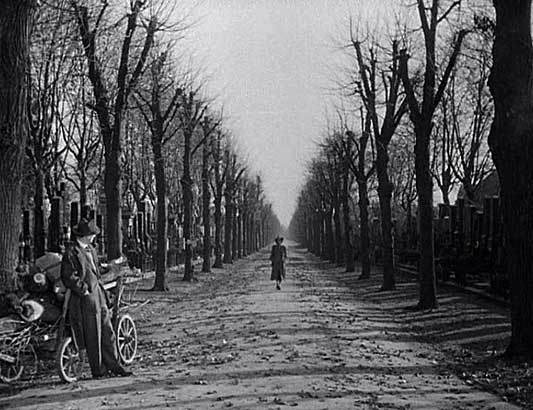
The character work is also exemplary. The driving motivations for both Eve and Tibor are established in the opening ten minutes, economically and simply. Tibor is an honest working man, happy with his lot, while Eve is determined to land a rich husband and live a life of pampered luxury. Of course, this being a screwball comedy, one of them changes their outlook by the end of the film, and no prizes for guessing which one it is.
“Forgotten Gem” is a term that has been attributed to many films over the years (many of which haven’t actually been forgotten by anyone), Leisen is a sadly neglected golden age director, and this is a brilliant testament to his skill. Despite having high profile champions in the form of directors like Pedro Almodóvar and Guy Maddin, it’s not often named alongside screwball classics by Ernst Lubitsch, Howard Hawks, or Preston Sturges – but it absolutely should be. Midnight is not just a product of a great script – it’s a shining example of how performance, direction, and writing can come together in perfect harmony.
Special Features
While the film is the real treat here, this is a pretty barren selection of extras for Criterion. The commentary from Michael Koresky is the only really notable special feature, and even that has the feeling of a video essay rather than giving the impression of someone watching the film along with you, which is kind of the appeal of a commentary in the first place. Otherwise all there is here is a radio adaptation of the film and a new program featuring archival excerpts from an interview with Leisen.


![Unquiet Guests review – Edited by Dan Coxon [Dead Ink Books]](https://criticalpopcorn.com/wp-content/uploads/2025/10/ug-reddit-ad-e1761690427755.jpg?w=895)
![Martyrs 4K UHD review: Dir. Pascal Laugier [Masters Of Cinema]](https://criticalpopcorn.com/wp-content/uploads/2025/10/image-1-e1761586395456.png?w=895)
![Why I Love… Steve Martin’s Roxanne [1987]](https://criticalpopcorn.com/wp-content/uploads/2016/11/roxanne.jpg?w=460)


 Critical popcorn
Post your thoughts