
Despite enjoying Russell T. Davies‘ return to Doctor Who for the most part, when we reviewed Season One, we had some concerns. Sure, there were some solid episodes dotted throughout, but ultimately the first full season of the show’s Disney+ era felt uneven, rushed, and in the long run, anti-climactic. Teething problems perhaps? Unfortunately not, if Season Two is anything to go by.
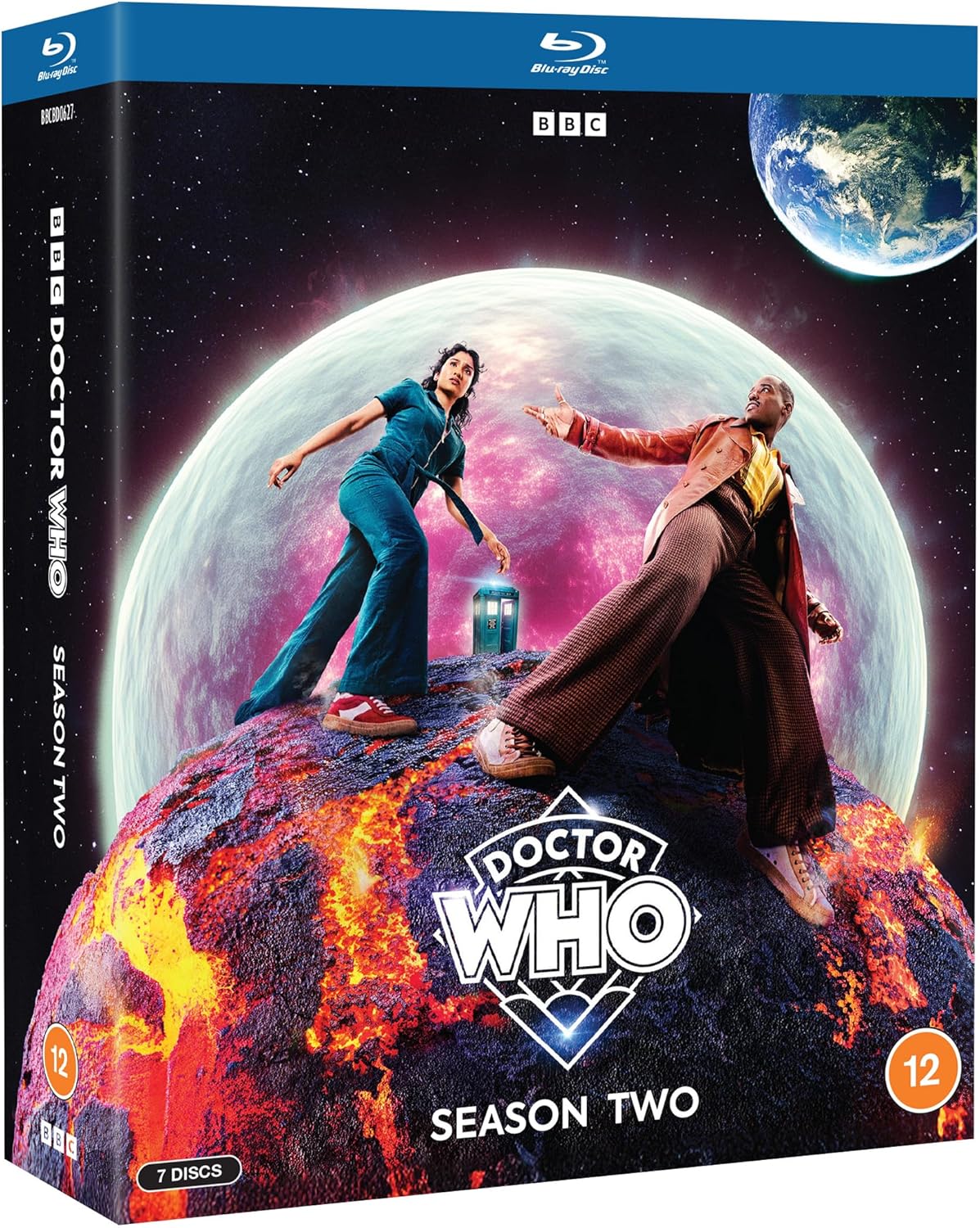
Shot back-to-back with Season One, Season Two feels even less then the sum of its parts. There’s a sense of freshness to some of the concepts contained herein, but the vitality of any such new ideas are beset by pacing issues and the distracting mystery box arc plots (some new, some carried over from last season). It’s a frustrating watch all told, as so much of this Season should work, but it doesn’t due to misjudged story and character beats (whilst the more workable of these struggle to find enough space to satisfactorily develop).
A so-so couple of episodes kick proceedings off, starting with Joy to the World, an uneven timey-wimey Christmas Special from former showrunner Steven Moffat, which overdoes the schmaltz, but just about manages to stay afloat thanks to an endearing little sidestep in the narrative the features the Doctor getting stranded in a modern-day London Hotel. The season itself then gets underway with The Robot Revolution, which serves as a decent introduction to new companion Belinda (Varada Sethu) despite its basic plot and rushed denouement.
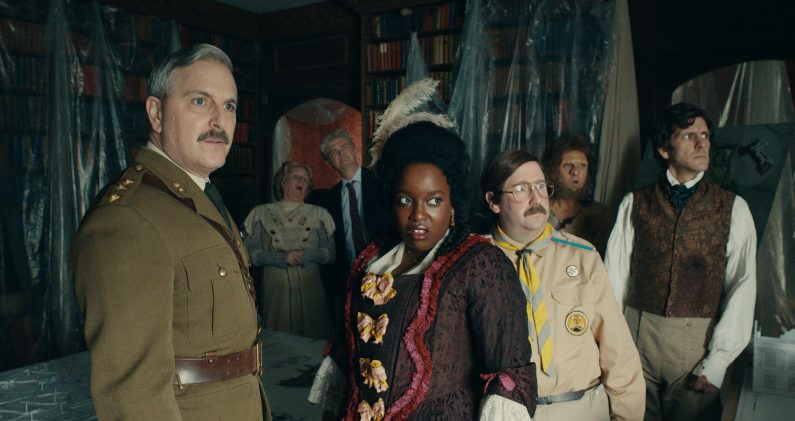
From there, the season peaks early with two excellent episodes – Lux and The Well – but even these feel rushed (would it kill the producers to let episodes run for an extra 10 minutes? Especially in the current streaming age?). Lux features an impressive new villain in the form of killer cartoon character Mr Ring-a-Ding (voiced by Alan Cumming) and provides some interesting meta-humour amidst all the animated antics, whilst The Well manages to deliver a decent sequel to the all-time classic episode Midnight (2008), an incredible feat in itself. It doesn’t quite hit the dizzying heights of its predecessor, but the claustrophobic setting and uneasy vibes result in an uncomfortably tense horror thriller all the same.

From there though, it’s a gradual downward spiral in terms of quality. Lucky Day is a Doctor-Lite episode focusing on Millie Gibson‘s Ruby Sunday that starts off well, but is eventually derailed by some rather confused political messaging and an uneven pivot in terms of lead character focus. Up next we have The Story & the Engine, arguably the show’s most unique tale in years, which thoughtfully ruminates on the power of stories. Unfortunately it’s own story is largely devoid of incident – on one hand, its depiction of Nigerian culture and mythology is fascinating, but ultimately the majority of the episode amounts to little more then an overabundance of characters standing in a room talking. Worse is yet to come though with The Interstellar Song Contest, a misjudged and messy adventure that tries to combine campy Eurovision frolics with a clumsy anti-war message, one that posits the victims of genocide as aggressive unsympathetic villains. The result is an episode with a wholly mismatched tone, dodgy political satire and character beats for both the Doctor and Belinda that never ring true.
The two-part finale, Wish World/The Reality War, is where the rot truly sets in though, as Davies’ disjointed arc plot elements from across the last two seasons converge into a sloppy, confusing mess. Hastily rewritten to accommodate a surprise regeneration for the departing Ncuti Gatwa, the joins show throughout, and the plot makes little sense as a result. Worse still, the story squanders the return of two classic series villains (the Rani and Omega) and gives both Ruby and Belinda the most unsatisfying companion exits in all of modern Who history. Whether the result of studio bungling or just misjudged writing, it’s an embarrassing finale that features every one of this current era’s failings turned up to excess. The less-said about that pandering (and frankly desperate) regeneration, the better.

The one saving grace throughout even the season’s most crushingly low-points are Ncuti Gatwa and newcomer Varada Sethu, who carry the season with their perfect onscreen chemistry (in spite of the uneven quality of the material). Disappointingly though, their antagonistic relationship (arguably the freshest idea introduced across the whole season) is all but forgotten two episodes in, resulting in a rather flat dynamic after so much promise at the outset.
All told, this season ends with Doctor Who in a pretty bad place, and how it can come back from the creative brink it has ended up teetering on is anyone’s guess. The show will never completely disappear, that’s a given, but in it’s current form, it remains to be seen how it can properly recover and evolve with its current limitations and uninspiring creative direction.
Special Features
As with Season One’s home media release, every episode here is accompanied by a short making-of featurette (roughly 10 minutes each) and a full episode of BBC Three spin-off Doctor Who: Unleashed (30 mins), as well as a plethora of short behind the scenes clips, video diaries and interviews from across the show’s YouTube and Social Media channels.
Sadly, once again, the exclusive extras consist of a couple of brief Director Breakdown featurettes (5 mins each) and only two audio commentaries (for Joy to the World and The Robot Revolution). Missing from this release are obvious items such as the 2024 BBC Proms concert and the special Doctor Who: Unleashed – 20 Years in Wales documentary, which would have made for a more complete package at the very least.
As with the Season itself, don’t expect to find anything amazing or substantial here.


Leave a Reply