
Casinos on film have this electric pull. You feel it the moment the camera glides over chandeliers or zooms in on the glint of a chip. The most memorable on-screen casinos blend elegance with danger, creating scenes of pure visual and emotional tension. It’s a place where every glance, every shuffle of cards, carries weight—and some directors have mastered that alchemy better than others.
Spies, Suits, and Shards of Glass
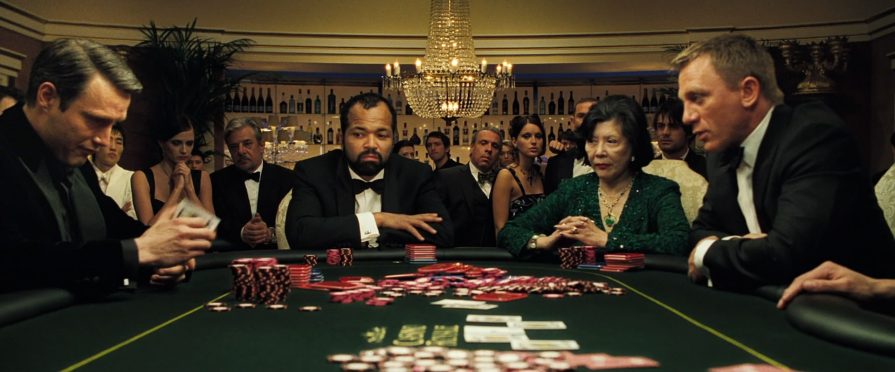
Remember Casino Royale? There’s something about Daniel Craig at the poker table that still makes hearts race. Bond’s icy stare. The clack of chips. Slow tracking shots that linger on Le Chiffre’s sweating brow. It feels so real. Edgy, even. You almost hear the dealer’s breath between those cuts. That tight focus, the deliberate pacing—every edit is there to tighten your throat. You might wonder: do they rehearse to get that stillness in Bond’s face, or is it just Craig’s poker face doing the heavy lifting? Either way, it’s a textbook in cinematic suspense.
When Realism Meets Excess

Then there’s Martin Scorsese’s take on the Vegas underbelly. In Casino (1995), it isn’t just flash—though there is plenty of flash. Scorsese and cinematographer Robert Richardson conjure a desert oasis dripping in neon and sweat, courtesy of production designer Dante Ferretti. It’s gritty and sprawling. One minute, you’re riding beside De Niro’s Sam “Ace” Rothstein in a stretched limo; the next, you’re crashing through a back hallway, nostril-deep in tension. That swing between luxury and menace—you know, it’s a wonder of editing by Thelma Schoonmaker. The pace draws you in; tracking shots thrust you out. You breathe, maybe, for a second, before the next onslaught of dice and betrayal.
Filmmaking Tools to Note:
- Lighting creates dramatic contrasts, setting bright glam tables against shadowy alleys.
- Camera moves include tracking shots that circle characters like predators.
- Sound design is used to build tension, where distant slot machines morph into a pulsing heartbeat.
- Editing rhythms manipulate the viewer, using a long, languid take followed by a rapid-fire cut to build panic.
Why Casinos Matter on Screen
Filmmakers are drawn to the casino floor because it’s dramatic gold. Risk, reward, charm, and deceit all in one gargantuan space. Ever noticed how everyone talks a little slower, smiles just a little too brightly? It’s a stage set for extremes. Pressure cooker stuff. Directors can lean in on expression, or widen out to show the entire spinning wheel—either choice tells you more about a character than a dozen dialogue-heavy scenes ever could.
Tension doesn’t need dialogue here. Sometimes, it’s a glance shot through a crystal glass. Sometimes, it’s a hand hovering over chips, indecision packed in those milliseconds. Practically every great casino scene teaches us that character is choice. And choice, well—that’s cinema at its purest.
Final Thoughts
So, what’s your favorite casino moment on film? The cool composure of a spy, or the raw, unfiltered excess of Vegas? Maybe it’s both—maybe it’s every time the stakes get raised just a little higher. Whatever it is, the next time you see those tables, check how it makes you feel. And hey, drop a comment below. Tell us which scene got your pulse pounding, or if you think we missed a real high roller of a moment.

![Unquiet Guests review – Edited by Dan Coxon [Dead Ink Books]](https://criticalpopcorn.com/wp-content/uploads/2025/10/ug-reddit-ad-e1761690427755.jpg?w=895)
![Martyrs 4K UHD review: Dir. Pascal Laugier [Masters Of Cinema]](https://criticalpopcorn.com/wp-content/uploads/2025/10/image-1-e1761586395456.png?w=895)

![Why I Love… Steve Martin’s Roxanne [1987]](https://criticalpopcorn.com/wp-content/uploads/2016/11/roxanne.jpg?w=460)


 Critical popcorn
Post your thoughts