
Like many, I grew up with the sound of The Beatles in the house, even though the band had come along and gone before my existence. In fact, during one family UK summer, we only had one double cassette in the car, and it was those early hits on a constant loop that means I inherently know what’s next before the previous song has finished playing. The Beatles were etched into my brain, and have been embraced ever since. John, Paul, George and Ringo are everlasting and one of the greatest bands of all-time – set in modern history because they were at the precipice, and unknowingly bang in the middle of the squall of change, and the first band to truly straddle that moment in time and move forward with it – and that for me, is a magnificent thing.
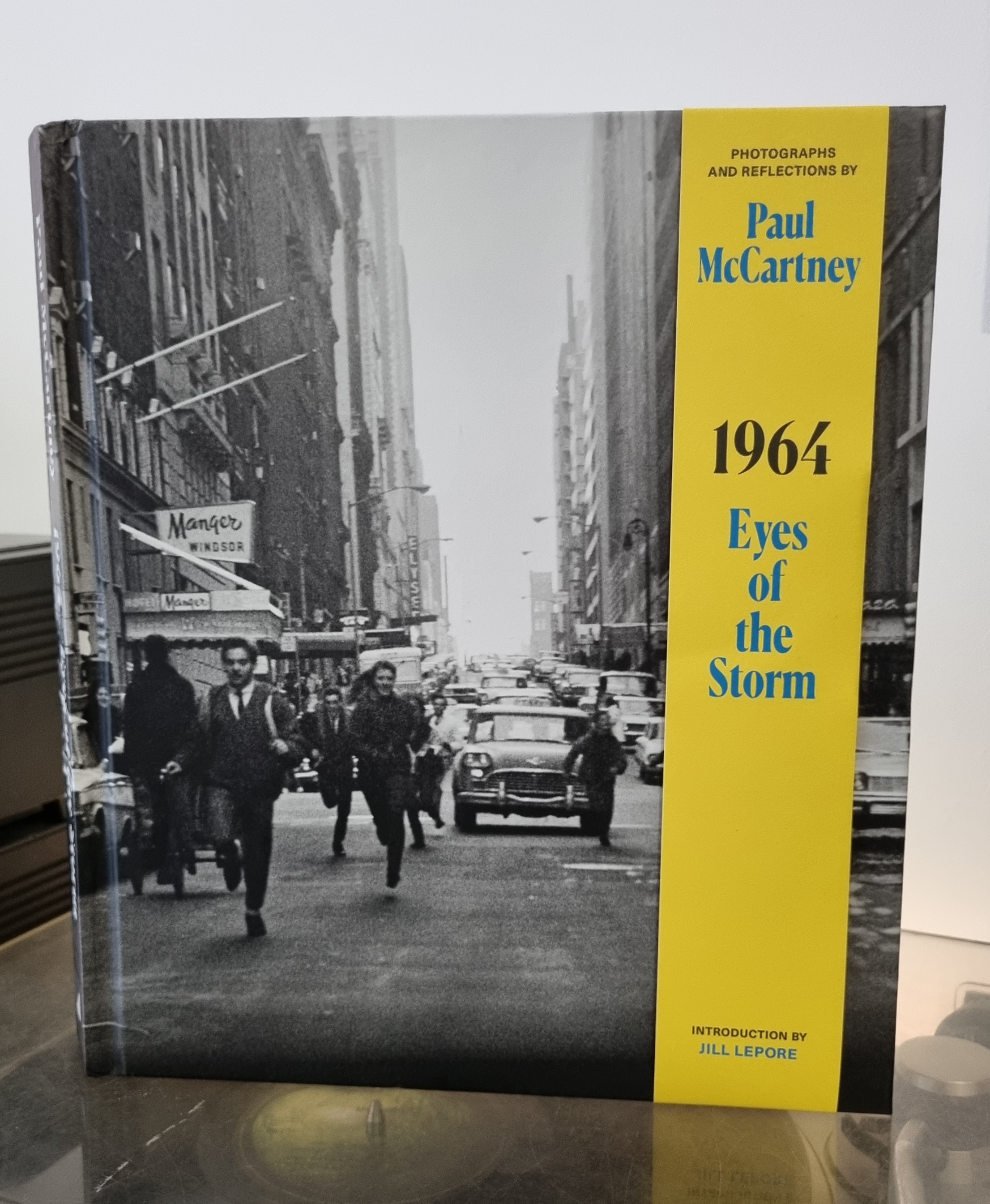
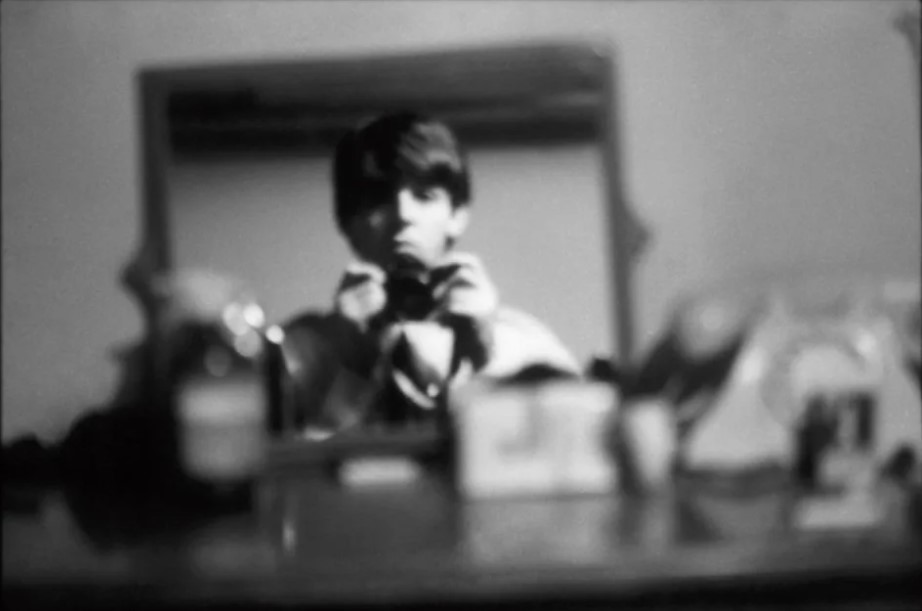
Paul McCartney’s 1964: Eyes of the Storm, from Allen Lane (part of Penguin Random House), is a deep look into that unique Beatle journey. It features a brilliantly in-depth introduction before his photography and in this, McCartney talks about how he always knew these photos existed somewhere from that early 60s era but had never felt the need to actively seek them out, with somehow just knowing that they “would just surface at the right time” – and time was 2020, when nearly a thousand photographs taken by McCartney, plus others captured by his ‘bandmates, roadies, and managers’, resurfaced from his archive and the Pentax 35mm captures returned, and then he endeavoured to organise them into a specific, smaller collection with the help of Senior Curator Rosie Broadley.
Over time and deliberation, they repackaged the snaps – taken from the end of 1963 through to the start of 1964 – down to 275 photographs, which covers the iconic, and historic, Beatles tour beginning in Liverpool, before heading off to London, Paris (with a story of how the hair came to ‘be’), New York, Washington DC, and Miami – with the American leg being a particular shift in their popularity forever more – culminating in that The Ed Sullivan Show appearance which broadcast to approximately 73 million Americans across the States. After this, the book concludes with a Coda but, you’ll read, the reasons why by that point.

While you’ll be able to see Paul McCartney’s Photographs 1963-64 at the upcoming National Portrait Gallery exhibition in London, running from 28 June to 1 October 2023 (Book those tickets here), there’s something incredibly special about sitting back with a cup of tea, and not only enjoying McCartney’s genuinely open, honest and deeply insightful thoughts on how the photos came together, plus his own process of learning photography (and the undervalued skill of framing a shot without the need for editing), or a memory behind them, there’s also an excellent essay from New Yorker writer Jill Lepore, who gives the book an even stronger depth with Beatleland. Her piece merges specific facts from The Beatles timeline in 1963, with snippets of quotes and lyrics, and brings in televisual history and offers a aide-memoire of how their fame mirrored unique events on both sides of the Pond, and ultimately how their fame created a brand new macrocosm of superstars – but with the dry wit and (very welcome) comedic sarcasm and easy-going nature of those four boys from the North of England everlasting.
What 1964: Eyes of the Storm does, as well as explain that specific title, in hardback book form is give you space to sit back and take it all in. While we’ll never to able to grasp the level of fame in an era that’s passed, the book goes a long way to depicting a sense of the feeling in the air, an optimism and truthfulness of how it felt, even if just a snippet. In McCartney’s intro, he also talks about the unease of the gun culture, and he offers thoughts on the differences in the States including segregation, immigration and politics – and their own contradictions – but he never preaches and, let’s be fair, if you’re a fan of the band and open to conversation, as we should all be, there’s a wealth of experience here that deserves to be given time on the page.

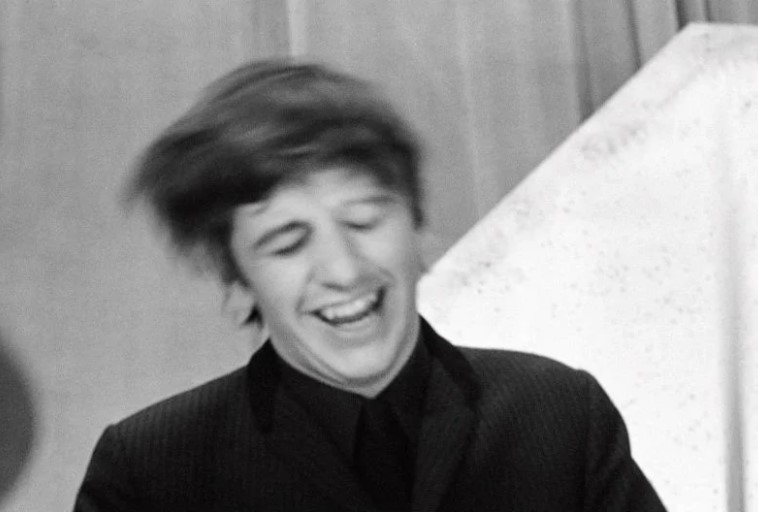
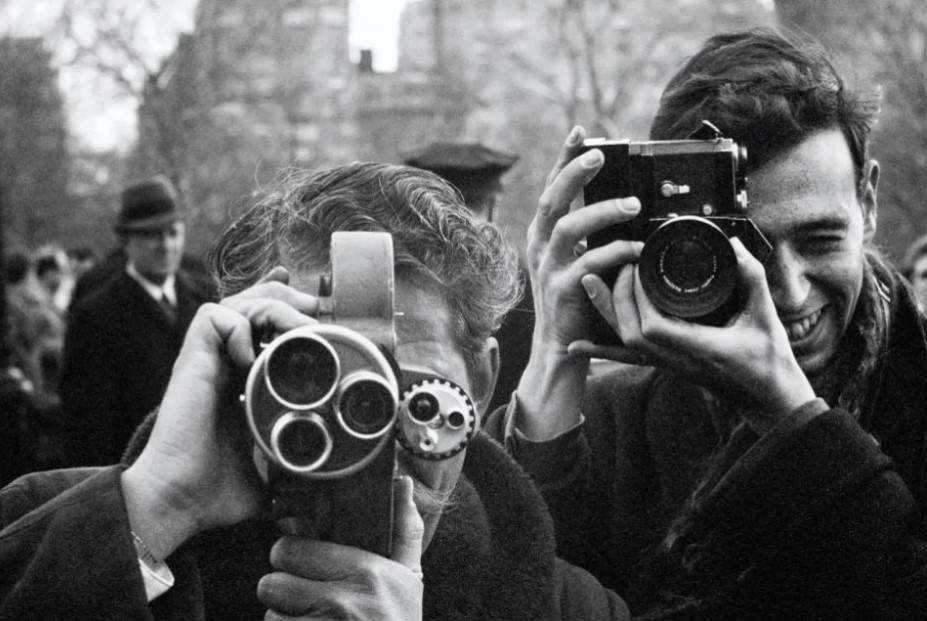
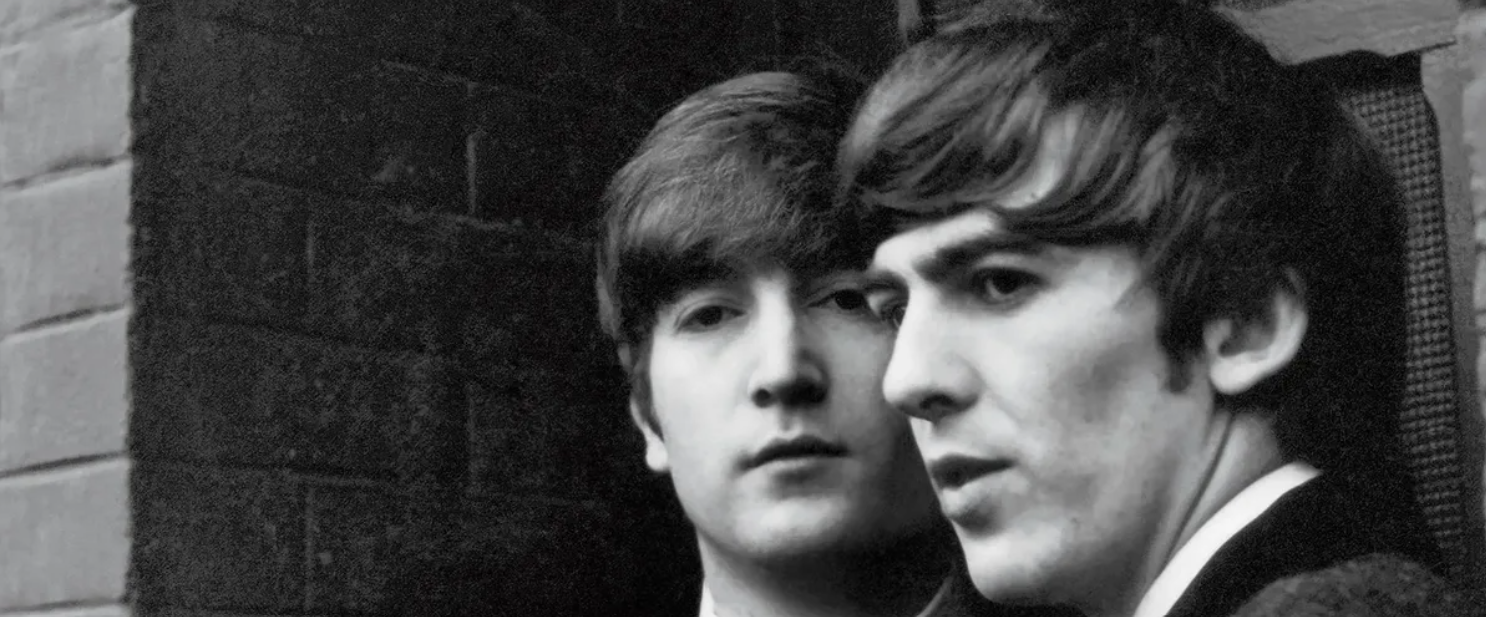
“Millions of eyes were suddenly upon us, creating a picture I will never forget for the rest of my life.”
But, on top of all that, the most vital thing for this book is of course the photography – and it’s wonderful, exceptional insight into John, Paul, George, and Ringo’s journey into the unknown at the time. While McCartney admits this was a trajectory had been building before the American explosion of Beatlemania, it’s clear the sheer volume of everyday people at Airports, venues and in the cities was still overwhelming but mainly exciting. He talks of how much he loved it then, and still does, and that the band felt ready and this was because they always tried to centre themselves in real life, and a vital part was the connection to their working-class backgrounds and understanding the enthusiasm for people who were just ‘normal’, every day folks living their 9 to 5, as the boys lived it before success.
Some of Paul’s favourite photographs are of non-famous people, of mechanics waiting at the airport to do their job, to the unknown man with his shovel, stood in front of a Pennsylvania freight train, to that feeling-fuelled New York front cover shot, taken by Paul as the band escaped fans chasing them from outside the Plaza, and how moments like that were the realisation of things to come. I also loved the initially unplanned shift from black and white film to colour, the latter coincided with their trip to Miami, something Paul appreciated as he remembers that it was a time to “take some time off… actually sit down… and have a drink and a cigarette by the pool.” – you feel that intimacy in the photos, and I admired those images, and especially the image looking down onto a beach, where fans are inviting them to join them.
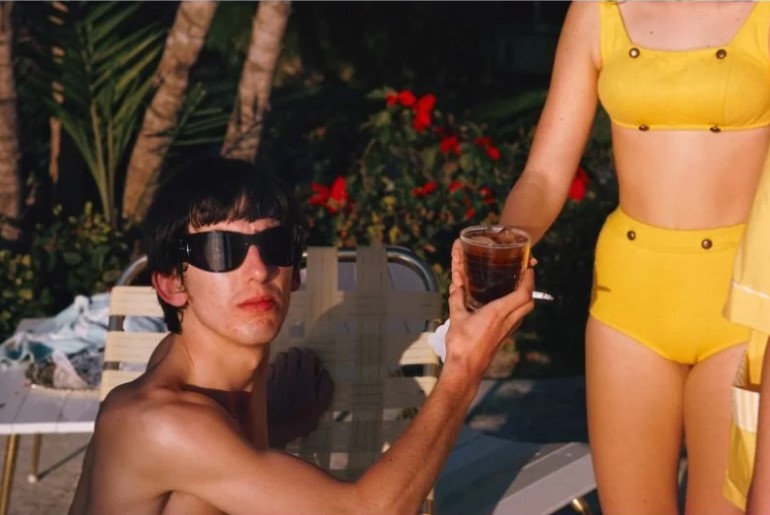
Most of all, 1964: Eyes of the Storm has given McCartney the opportunity to take stock of what happened all those years ago, to resurface wonderful – virtually innocent – memories of the time that the band had together, away from the main spotlight and their personal time together. There’s a pause for a poignant comment for two shots of George and John, so it’s clear how grateful he remains, and where they’ve been. With that approach in mind, McCartney also highlights those other people there at the time including the likes of Cilla Black, The Ronettes, Jane Asher, Sylvie Vartan, Johnny Hallyday, Billy J. Kramer, Jackie DeShannon, and Sophie Hardy, plus photographers Dezo Hoffman, Harry Benson, and Robert Freeman – and I think it’s fair to say, they all inspired each other on their travels.
1964: Eyes of the Storm offers us all an excellently candid insider’s look of the view they were receiving at the moment. McCartney also revels in the memories of the band relaxing, some of his favourite moments, and you can understand why because wouldn’t they be for all of us? The art of spending time with your friends and family is bigger than everything, and when you merge into their navigation of Beatlemania in America itself, alongside the sheer joy and privilege of being the eyes of that journey itself, this is so distinct. Overall, it’s a remarkable insight, an exceptional collection of photos and one to embrace and enjoy, as if you were there with them, being another set of the ‘eyes of the storm’ collectively.

1964: Eyes of the Storm by Paul McCartney is out now from Allen Lane, order here: https://amzn.to/3CGixdH
Paul McCartney’s photographs will be displayed for the first time at the National Portrait Gallery, London from 28 June to 1 October, get tickets here: npg.org.uk/EyesOfTheStorm
![Paul McCartney Photographs 1963–64 Eyes of the Storm review [National Portrait Gallery Exhibition] – Critical popcorn avatar](https://criticalpopcorn.com/wp-content/uploads/2021/12/thumbnail_critical_popcorn_logo.jpg?w=48)

![Unquiet Guests review – Edited by Dan Coxon [Dead Ink Books]](https://criticalpopcorn.com/wp-content/uploads/2025/10/ug-reddit-ad-e1761690427755.jpg?w=895)
![Martyrs 4K UHD review: Dir. Pascal Laugier [Masters Of Cinema]](https://criticalpopcorn.com/wp-content/uploads/2025/10/image-1-e1761586395456.png?w=895)

![Why I Love… Steve Martin’s Roxanne [1987]](https://criticalpopcorn.com/wp-content/uploads/2016/11/roxanne.jpg?w=460)


 Critical popcorn
Leave a reply to New Beatles ’64 documentary coming to Disney+: Watch the trailer now! – Critical popcorn Cancel reply