
We’re into the home stretch of my countdown of all the episodes of Inside No. 9 now, head here for Part 1, and here for Part 2. Suffice to say it’s tricky to find anything that negative to write about the remaining episodes – there’s very little in it, especially at the top, so please don’t be too upset if you disagree with me! The quality is exceptionally high across the board though, with some of the most memorable, best written British television of the last 20 years, and the variety in tone and subject matter is just staggering.
I know these lists are always completely subjective, but this part is where my personal taste is most evident, as the presence of multiple horror-centric episodes and the more poignant stories in the top 10 will soon make clear.
With that in mind, here are our top 20 episodes!
20. The Trolley Problem
Another two hander, The Trolley Problem is a beautifully shot psychological thriller with definite Scandi-noir overtones. It suffers ever so slightly from covering similar ground as previous episodes The Riddle Of The Sphinx and Misdirection in it’s theme of revenge, but viewed in isolation, it’s a much stronger episode. Therapist Blake (Pemberton) happens upon a downcast stranger (Shearsmith) standing on a bridge, and fearing the worst, brings him home for a cuppa and a chat. Of course, neither character is what they initially appear, and what unfolds is a battle of wits centred on the moral dilemma of the title – is it more moral to allow three people to die or to directly cause the death of one person for the greater good? Moodier, more atmospheric and decidedly cinematic, it’s a lot more straightforward narratively than it’s predecessors, but the absence of crossword puzzles / magic tricks means the episode has room to breathe. The psychological theories that colour the episode inform the characters’ decisions without distracting from the story itself, and it emerges as a much more focused character piece.
19. Wise Owl
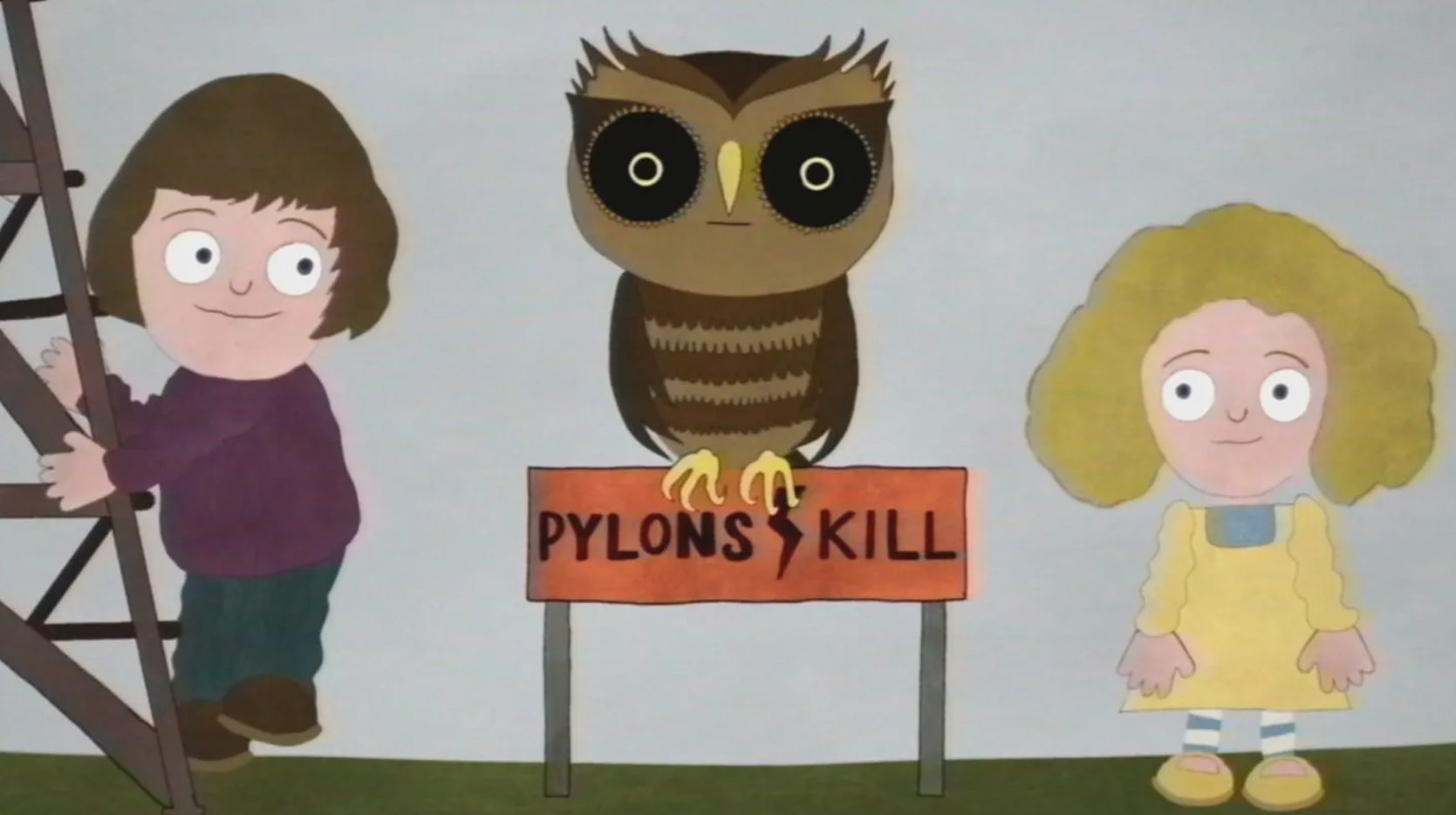
A truly disturbing episode that painstakingly employs the style of educational films of the 1970s like Charley Says to punctuating the episode with increasingly dark, suggestive animated segments. The way key information is relayed to the audience is really impressive – we have no idea who the reclusive Ronnie (Shearsmith) is at first – but over the course of the episode the details of a tragic incident from his childhood are slowly revealed. The writers cited both Possum and David Cronenberg‘s criminally underrated Spider as influences, and this is apparent from the staging and Shearsmith’s muted, vulnerable performance. Away from the terrifying dream sequences, which are more than a little reminiscent of Hereditary, is an episode that ends on an uncharacteristically uplifting, optimistic note, as Ronnie finally manages to overcome his past trauma in a beautifully moving sequences.
18. Ctrl/Alt/Esc
Ctrl/Alt/Esc is one of the most emotionally resonant episodes that Inside No.9 has produced, successfully balancing intensity, poignancy and warmth in a way few others do. When Jason (Pemberton) takes his family to an escape room, he gets more than he bargained for, as the sinister Doctor Death paces the corridors. There is obviously more to it, but to reveal more would spoil the episode. This one works on two fronts – first the fraught relationship between Jason and his eldest daughter (Kalli Tant) which provides the emotional heart of the episode, and secondly the reveal of what is really going on, which as far as rug-pulls go, is pretty breathtaking. There is also a finality to the closing moments that makes it feel like Ctrl/Alt/Esc should be the last episode of the series, with an almost fourth-wall breaking nod to the series title that feels like a tacit acknowledgement that the end is nigh.
17. Tom & Gerri
An underrated, slyly subversive episode from season one – Tom & Gerri is an incredibly clever and disturbing take on home invasion. Focusing on Tom (Shearsmith) a tightly wound teacher, his actress partner Gerri (Gemma Arterton) and an enigmatic homeless man named Migg (Pemberton) who ingratiates himself into their home. Light on plot but heavy on atmosphere – the episode cultivates a thick sense of foreboding and unease, as Tom finds himself increasingly in thrall of Migg’s increasingly sinister influence. A slightly rote premise with some unexpected turns, and a particularly cruel sting in the tale that makes you question everything that’s gone before. I would also be remiss to talk about this one without mentioning Conleth Hill’s perfectly executed head swivel that remains a highlight of the episode.
16. Mr King
One of the most gleefully disturbing episodes the writers ever made, Mr King is playful mix of comedy, discomfort and genuine horror. Mr Curtis (Shearsmith) has left the stress inducing environment of London to teach in a little primary school in the Welsh countryside, where he finds himself constantly compared unfavourably to his incredibly popular predecessor, the ubiquitous Mr King. There’s a definite folk horror influence, with the writers paying homage to perhaps the most famous film of the sub-genre. A perfect mixture of broad comedy (Shearsmith’s shouted delivery of “A big floppy penis!” is something to behold) and skin-crawlingly unsettling horror. But unlike The Trial Of Elizabeth Gadge, where the comedy and the nasty elements were distinct, here the absurdity is a crucial part of the horror. When the scales fall from our eyes, the elements that were initially comical take on a new and dreadful significance.
15. The Referee’s A W***er
Proof if needed that not every episode has to be dark – the season 5 opener is a joyful tribute to the beautiful game, but it retains the mischievous tone the series is known for. (The number 9 in this episode is a particularly filthy joke) David Morrissey is a revelation in a rare comic role as a beloved referee on his last ever match – a match that proves memorable for some questionable decisions on his part. Despite the relatively low stakes, it’s an incredibly tense episode, with fast paced, lightning fast back and forth dialogue between Morrissey and his bickering linesmen: vain, ambitious Ralf Little, sardonic Steve Pemberton and chronic bore Reece Shearsmith (“At the San Siro…”). For once the ending is a moment of pure joy – it’s an infectiously happy way to close the episode and it’s practically impossible to watch without a smile on your face. It’s also that rarity, a story about football that you can enjoy without having any fondness for the game itself. (And by the way, the censored word in the title is “Winner” according to producer Adam Tandy).
14. The Curse Of The Ninth
The last traditional episode the creators would make is a wonderful way to bow out – a sumptuously produced Edwardian horror in the vein of MR James and Edgar Allan Poe, based on the real world superstition that composers always die shortly after composing their ninth symphony. The narrative may be fairly straightforward (as far as Inside No. 9 goes anyway) but the execution is endlessly impressive, with lush production values and wonderfully arch performances from Shearsmith and Natalie Dormer (who seems born to play period roles like this), as well as some truly terrifying imagery in the closing moments. The slow burn narrative is perfectly judged, as is the emphasis on atmosphere and the restraint shown in depicting the horror. A gothic delight and a macabre blend of silly and chilling, this is one of the series’ most atmospheric, ambitious episodes and a perfect example of the show firing on all cylinders, as well as a sly allegory for the show itself.
13. A Quiet Night In
Only the second ever episode, A Quiet Night In established the ambitious nature of the series that it retained right up to the final season. It has a brilliant hook, as pretty much the whole episode plays out with no dialogue at all, as Shearsmith and Pemberton play cat burglars attempting to steal a rare painting from Denis Lawson. The ingenious conceit works principally because there is no narrative reason for the characters to talk in this situation. One of the most innovative episodes of the show, it’s also an excellent showcase for the two creators’ physical comedy (The fate of the dog still gets me every time). The novelty of the plot unravelling like a silent movie never gets tired, and most importantly never feels contrived. Funny, shocking and even a critique on modern art – what more could you want?
12. The Last Weekend
Another ostensible two hander (despite the brief appearance of Sheila Reid) this is another episode where the less you know going in the better. It’s a deliciously dark slice of fiction, again reminiscent of a particularly grisly type of Roald Dahl story, following a gay couple (Pemberton and Shearsmith), spending their 9th anniversary at their holiday cottage. However, what should be a celebration is a tinged with sadness, as it’s revealed that one of them is battling a terminal cancer diagnosis. What begins as a tender love story, and meditation on mortality and the grieving process takes a sinister turn in the final act, with a particularly grisly denouement. More than anything else, The Last Weekend is a touching tribute to Shearsmith and Pemberton’s working relationship, as they utterly nail every element of the central relationship; the moving scenes of tenderness, the moments of bitter pettiness, it all feels authentic and grounded in reality. It goes without saying that they are both excellent, with both characters processing their own form of grief. Shearsmith especially gives an incredibly poignant performance as the ex-popstar who is already grieving the loss of his partner while they’re still alive. Meanwhile Pemberton is the picture of stoic acceptance – although his moments of reflection take on a new significance on a rewatch, as does Shearsmith’s vulnerability and self-loathing. Alternately touching and ruthlessly cold-blooded, it’s a combination of my two favourite kinds of Inside No.9 episodes!
11. Seance Time
I feel like this is an episode that never really gets it’s dues, despite being one of the strongest horror episodes. It’s strength lies in the fact it’s a original idea and not a pastiche of an existing story or genre. Just as effective as a critique on the callousness of TV productions as a ghost story, it features some chilling moments, and a brilliantly cold turn from Shearsmith as the sneering host of a haunted house prank show. Even better is Alison Steadman as the hilarious luvvie medium. An efficient, tightly constructed story with a palpable sense of dread that drip-feeds the audience information efficiently, and ratchets up the suspense right up to the final terrifying set-piece.
10. The Harrowing
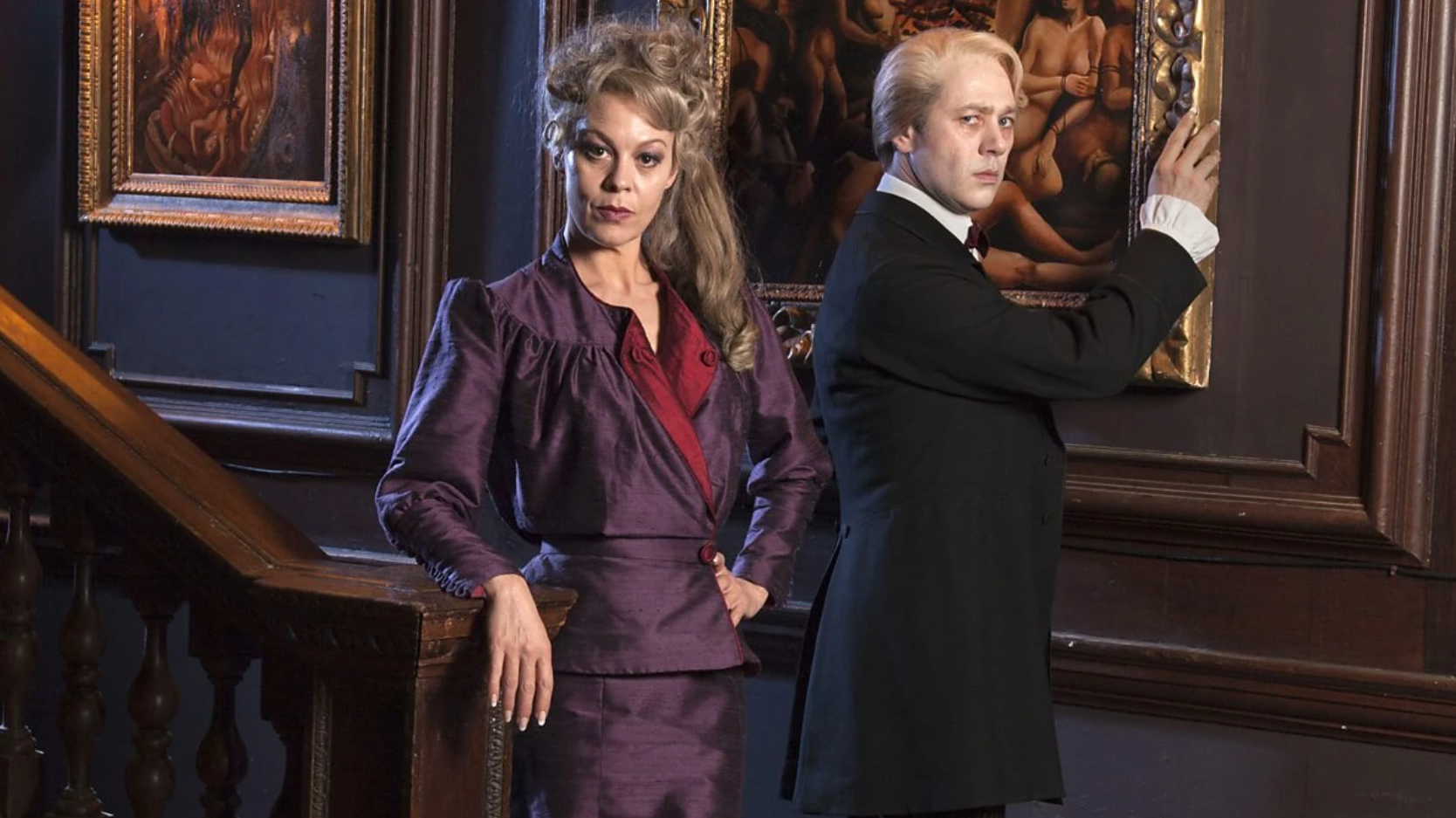
The first genuinely scary episode, and one that still manages to send chills up my spine. The much missed Helen McCrory and Shearsmith play a pair of creepy gothic siblings who hire Katy (Aimee Ffion-Edwards) to watch over their invalid, bedridden brother Andras. One of the early criticisms of Inside No.9 was the perceived reliance on twist ending, and this silenced these critics very quickly, proving that you don’t need a twist to thoroughly traumatise your audience. The episode is infused with a heavy atmosphere and beautifully gothic imagery, and the nightmarish conclusion is deeply unsettling, with the dreadful inevitability of that final shot more disturbing than any twist.
9. Once Removed
The story of a house move gone catastrophically wrong, Once Removed is an ingenious, witty take on the Memento model of non-linear story-telling, as the episode unfolds in reverse, one scene at a time, and yet manages to remain completely unpredictable throughout. More concerned with structure than character, (although Monica Dolan is a standout as the mousy neighbour with her own agenda) this is still undeniably one of the cleverest episodes, with all the loose ends tied up, and every line taking on a new meaning on a rewatch. The ending even adds a neat play on the show’s title, which is one of the most quietly satisfying moments in the series.
8. The Stakeout
An atmospheric and disquieting tale with a twist that’s hiding in plain sight – others found it obvious but I was completely blindsided, despite the clear foreshadowing peppered throught the episode. The Stakeout features just Shearsmith and Pemberton as new partners on a police stakeout in a graveyard. The horror references come thick and fast, and considering the limitations of having a police car as the sole location, there is some incredibly creative camerawork, with creative use of close-ups and particularly eerie lighting – the whole episode is positively drenched in shadow. It’s one of the best episodes at demonstrating just two characters hanging out, and the back and forth between the two is excellent, as they play word games and touch on the tropes of cop films to pass the time. Both actors are perfect in this one, Pemberton’s outwardly hostile demeanour covers a tremendous amount of guilt and vulnerability, while Shearsmith plays it straighter, but gets to sink his teeth into some more interesting character moments in the episode’s climax.
7. The Bones Of St. Nicholas
The creators of The League Of Gentlemen have always worn their influences on their sleeve, and with this melancholy horror, Shearsmith and Pemberton pay homage to both the Ghost Stories For Christmas of MR James and also Nicolas Roeg’s seminal horror Don’t Look Now . Combining the iconic red hood from Roeg’s film with Father Christmas’ signature outfit is a connection I had never made before, and one that serves the episode perfectly. Essentially three ghost stories in one sitting, the episode follows four characters spending the night in a supposedly haunted church as Christmas Day dawns. Simon Callow expertly deploys his rich, sonorous voice to tell the creepy story of the church, and Shobna Galati gives a beautifully humane performance. The episode itself is an alternately disquieting and moving rumination on what constitutes a ghost, with an ironic twist ending that also feels grimly inevitable.
6. To Have And To Hold
This tale of marital strife is potentially the most uncomfortable episode of Inside No.9 to sit through, and that’s saying something! Both Pemberton and Nicola Walker give incredible performances as the central couple, believably conveying the sadness of being stuck in a passionless marriage following a past indiscretion. The moments of forced intimacy are excruciating to watch, as the couple try to reignite their romance. The revelation midway through the episode is one of the darkest narrative gambits the series ever attempted, and the heel-turn of one character is truly chilling. This is yet another example of needing to pay attention to the smallest detail, as the discomfort and awkwardness between the couple gives way to something much more disturbing in the second half.
5. Lip Service
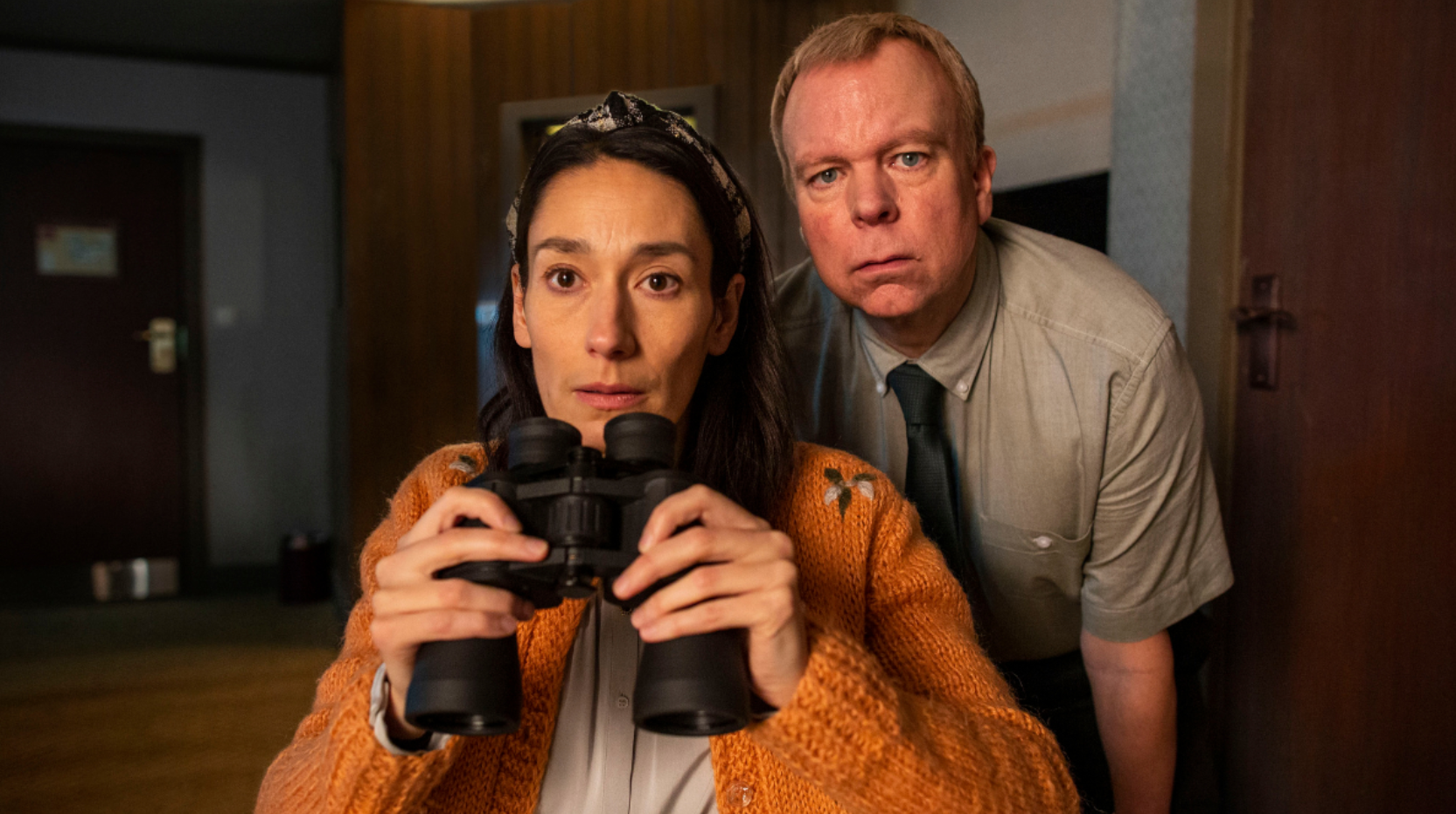
A small scale but incredibly tense story of romance and paranoia, Lip Service might seem an odd one to be in the top 10 – it’s admittedly not as audacious or innovative as other episodes, and yet the story structure is masterful. A man (Pemberton) and a woman (Sian Clifford) meet in a seedy hotel, ostensibly to observe his wife having an affair. What I love about this episode is the way each scene makes you reassess everything that has come before. The dynamic between the two main characters, and our feelings towards them, shifts with each new plot twist. The foreshadowing is still there but is incredibly subtle, and rather than the clever wordplay that dominates other episodes, it comes in the form of little character moments that inform later revelations. The writers keep a ridiculous amount of plates spinning, and the final reveal is abrupt and really quite shocking. The very best episodes of Inside No. 9 have multiple layers that make them even more rewarding on a re-watch, and Lip Service has this in spades, as well as laughs, surprises and a genuine emotional investment in the characters.
4. The 12 Days Of Christine
What more is there to say about this episode – one of the most powerfully heartfelt episodes of television of the 21st century, let alone of Inside No.9. Featuring a seminal, heartbreaking central performance from Sheridan Smith, it’s a deservedly celebrated episode, with an emotional resonance that other series can only fream of. Pemberton and Shearsmith play their cards very close to their chest throughout, as we see snapshots of the titular Christine’s home life – initially feeling like a ghost story before turning into something much more profound. Structurally this is the show at its most clever, playing around with narrative techniques, and making use of subtle sound effects and visual cues to devastating effect. However, the cleverness of the storytelling never gets in the way of the emotional core of the episode, and the ending packs one hell of an emotional punch, even when you know what’s coming.
3. Sardines
The first ever episode of Inside No.9 essentially served as a mission statement for the series; a group of characters confined to one location, with a bitter twist in the tail. Subsequent episodes would generally have a slightly less cramped setting than a wardrobe, but Sardines establishes the tone and format of the series with a wonderful economy. Every apparently throwaway line of dialogue and quirky character trait is significant, and included for a reason, and yet none of it feels shoehorned in. The whole ensemble is perfectly cast as they all cram into a cupboard for an interminable game of sardines, but Tim Key and Katherine Parkinson stand out, as the perpetually dull work colleague and the naïve bride-to-be respectively. Even after nine seasons, Sardines stands out as a meticulously constructed, perfectly written 30 minutes of television, and just about a perfect first episode.
2. Bernie Clifton’s Dressing Room
I’ve definitely got a soft spot for the more poignant episodes, and this story of a comic double act reuniting for a one off show is the most overtly bittersweet episode the pair ever made. Essentially a love letter to a bygone form of entertainment, Pemberton and Shearsmith have a ball as the estranged vaudeville act Cheese & Crackers, reforming for a one-off performance. They prove to be adept at recreating old fashioned routines (some of which have aged better than others) until old disagreements begin to resurface. Both actors are excellent adopting two diametrically opposed characters: Pemberton deservedly received a lot of plaudits for his gung-ho, outwardly effervescent character who has fallen on hard times, but for me Shearsmith is even better playing the straight man of the act. He’s reserved and embarrassed by their old act, and I don’t think he has ever been better, showing an impressive range as he adroitly jumps from aloof to incredibly moving in a matter of seconds.
1. Love’s Great Adventure
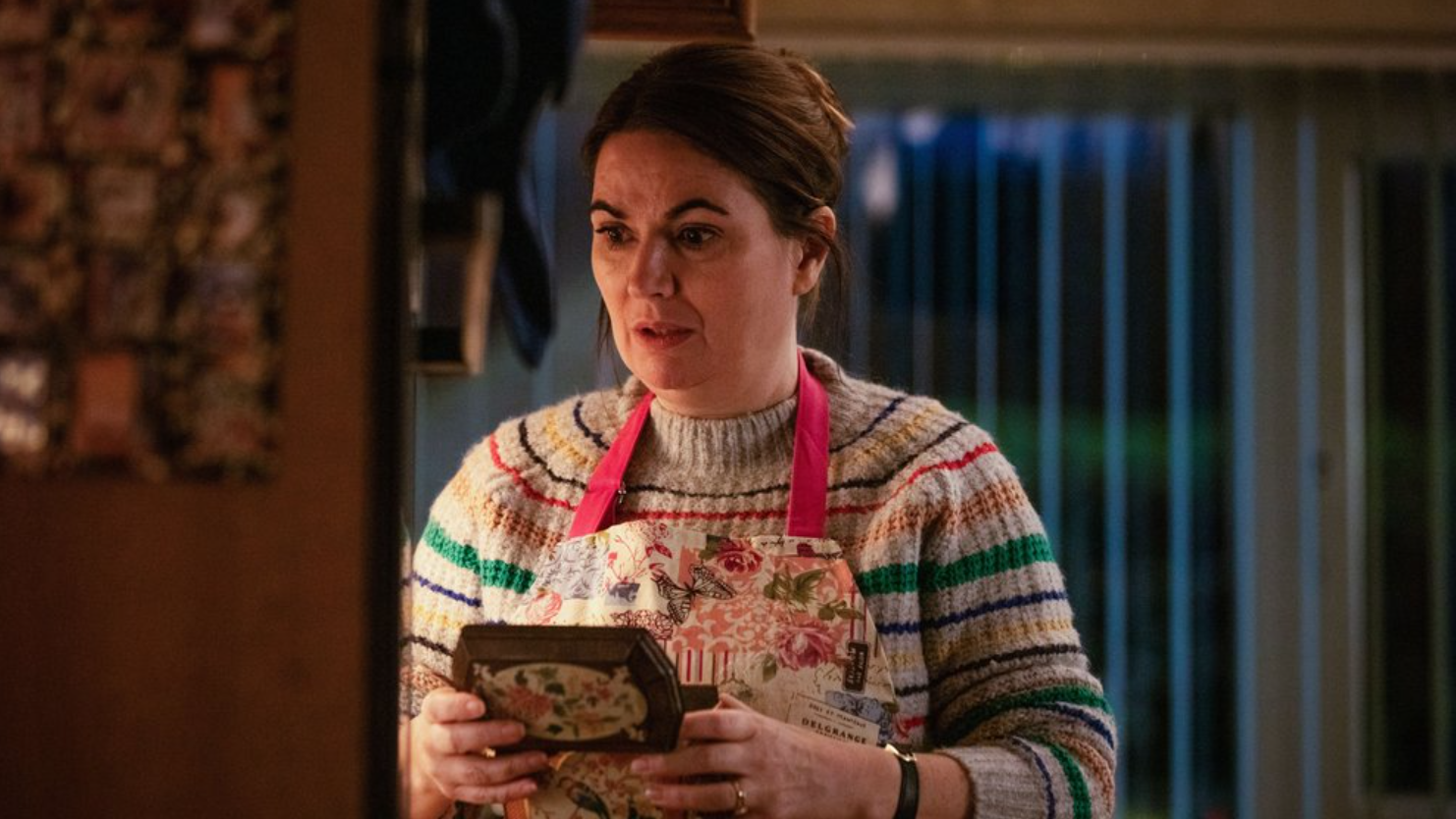
This might be a controversial choice for the top spot, but from the first time I watched this episode it got under my skin. Perennially underrated or dismissed as boring, this remains the closest thing to a straight drama that the show ever attempted. Modest in it’s story and deceptively ambitious in it’s structure, Love’s Great Adventure is a resonant, heart-warming story about a working-class family struggling with money in the run up to Christmas, with the days counting down on an advent calendar throughout the episode. More moving than The 12 Days Of Christine, and so full of warmth and humanity that it often feels like a Ken Loach film. There’s no overtly witty dialogue or knowing winks, it’s just unironically heartfelt, and painfully raw in places. The drama is played completely straight, and the comedy comes from nicely observed moments we can all relate to. The whole cast raises their game, especially Debbie Rush, who gives a performance full of perfectly judged human moments – the scene with the dress remains the most crushing moment of the entire series. Pemberton and Shearsmith too, both give poignant turns, including one exchange that’s achingly moving – there’s a reason it was chosen to conclude the montage put together in Plodding On. There are several genuinely suspenseful moments where the writers could have gone down a much more sinister, on-brand route but they resist each time, and the result is something a lot deeper and more emotional than I was prepared for. There is a twist but it’s a lot more subtle than usual (to the extent that many missed it when it first aired) and it’s much less important than the beautifully observed family drama at its heart. If anything, I think this one resonates more on a re-watch, where the nuances of the plot and the central theme of doing anything to protect the ones you love become more apparent. It might not be the most quintessential episode of Inside No.9 but it’s certainly the most powerful, and I think it will be re-evaluated in years to come as one of the best of the series.


![Unquiet Guests review – Edited by Dan Coxon [Dead Ink Books]](https://criticalpopcorn.com/wp-content/uploads/2025/10/ug-reddit-ad-e1761690427755.jpg?w=895)
![Martyrs 4K UHD review: Dir. Pascal Laugier [Masters Of Cinema]](https://criticalpopcorn.com/wp-content/uploads/2025/10/image-1-e1761586395456.png?w=895)
![Why I Love… Steve Martin’s Roxanne [1987]](https://criticalpopcorn.com/wp-content/uploads/2016/11/roxanne.jpg?w=460)


 Critical popcorn
Leave a reply to Nick Bartlett Cancel reply