Every once in a while, especially when considering how fertile the horror genre has been in recent years, you start to consider that maybe there are no more good ideas left, particularly in the allegorical horror subgenre, but, thankfully, Leviticus is a breath of fresh air.
Adrian Chiarella’s directorial debut is familiar in its slick adoption of horror tropes and utterly startling in its approach to the material. Both a queer coming-of-age story and an original slice of horror, it clearly owes a huge debt to It Follows, yet it manages to also make its premise feel fresh, while the lens through which it explores its themes makes the message all the more potent.
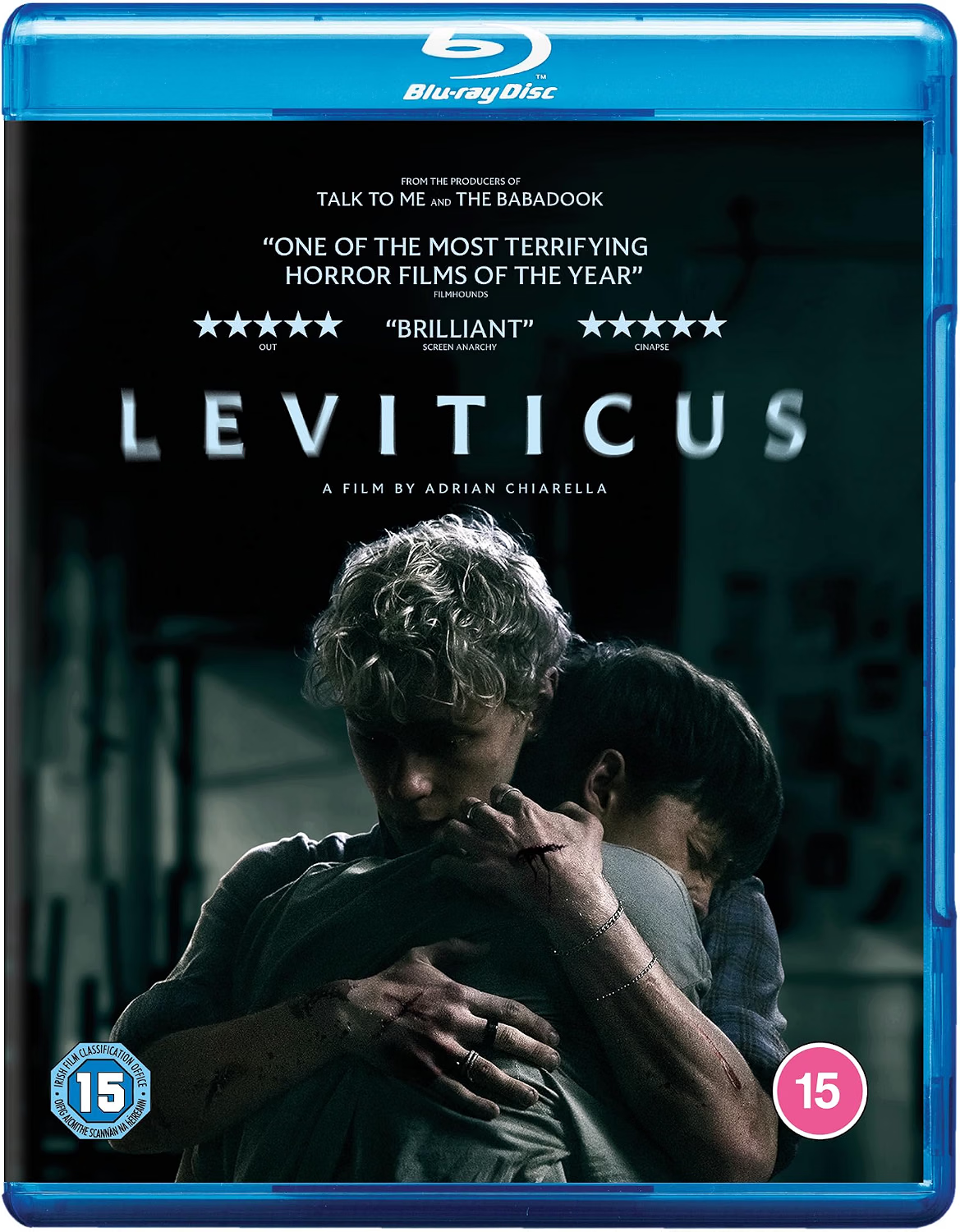
The film follows Naim (Joe Bird – last seen in similarly iconic modern horror Talk To Me), a young boy who has moved with his mother Arlene (Mia Wasikowska) to a seemingly benign religious community in Australia. Quiet and shy, he makes friends and begins a secret romance with a local boy, Hunter (Stacy Clausen). But when he sees Hunter in a romantic encounter with the pastor’s son, Joe tells the pastor in a fit of jealousy. The pastor then enlists a special kind of hypnotist to subject the pair to a unique form of conversion therapy; one that leaves them unconscious and apparently cursed. Afterwards, both boys begin experiencing disturbing visions. When Naim tries to intervene, he is subjected to the same process. The result is a terrifying ordeal in which the person you love most appears and tries to kill you. The community weaponises queer desire, essentially turning love into a death sentence, and in the most intimate, invasive and cruel way possible. The entity only attacks when its victim is alone, and is invisible to everyone else.
The allegory isn’t exactly subtle, but it is potent. This is perhaps the cruellest imaginable form of conversion therapy, effectively forcing you to stay away from the person you love forever, for fear that they will kill you. The scenes where the main characters are confronted by the entity are truly disturbing, there’s something about The Thing in the way they can never be fully sure of who is human and who is a demon.

Both Bird and Clausen are excellent as the two boys, and their connection feels relatable and realistic. Neither is presented as perfect, and the film takes pains to show them as flawed individuals. Naim, in particular, is initially spiteful and weak-willed, betraying Hunter when he sees him with another boy. It’s a small but important detail, giving their relationship a degree of complexity that makes their growing affection all the more convincing.
What’s fascinating about Leviticus isn’t so much the terrifying entity itself, but the community that enables, and even encourages, the existence of such a monster. Early on, everything seems calm and friendly, with everyone appearing perfectly accepting of its new arrivals. Yet there is something deeply sinister lurking. When Naim breaks down at the police station and all but confesses his feelings for Hunter, the detective taking his statement doesn’t offer comfort. Instead, she seems almost to recoil, calling Naim’s mother to inform her what he has said. The way supposedly trustworthy institutions are gradually revealed, one by one, to be more aligned with the monster than with the film’s protagonists is reminiscent of the demonic cults of something like Rosemary’s Baby.
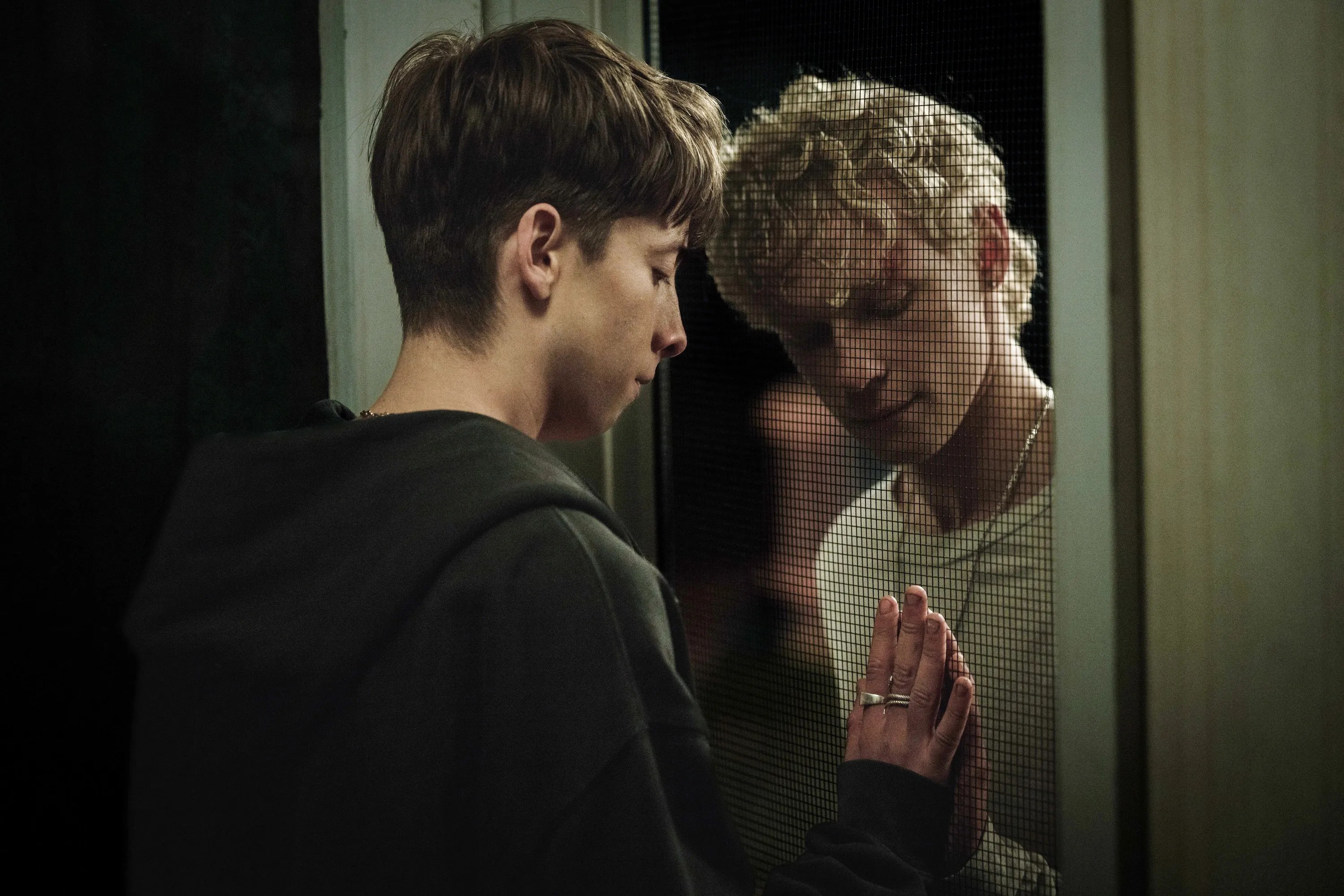
It’s an incredibly tense film, but also surprisingly heartfelt. Even when things get nasty, the genuine love between the two main characters almost transcends the horror surrounding them. A sense of sadness pervades the entire film, but director Chiarella spends as much time developing the central relationship as he does establishing the mythology of the entity, and it pays off. The ending works largely because of the connection between the two young characters. Their tentative first steps into romance carry both a palpable sense of danger and the dizzying excitement of falling in love. The enigmatic, open ending is perfect, at once hopeful and romantic, and full of foreboding. They will never escape the entity, but if they stay together, they can survive. There’s something romantic in that, even as they are forever watched by the grim unsmiling faces of themselves.
If there’s one problem with the film, it’s that, at just 88 minutes, it could have benefited from a little more time fleshing out either the entity or the sinister community Naim finds himself in. I’d particularly have liked to see more interactions between Naim and his mother, especially in the aftermath of her actions and a later revelation that is utterly unforgivable. But perhaps that’s just my preconceived idea of what a horror film should be, because there is remarkably little I’d change.
A powerful and inventive blend of genres, Leviticus is a beautifully horrific, deeply unsettling film, with two incredibly tender performances at its centre. One of the most unique allegorical horrors of recent years, it demonstrates that there are still plenty of original nightmares out there.
Special Features
Director’s commentary with Adrian Chiarella; Interviews with Chiarella, Stacy Clausen and Joe Bird; Behind-the-scenes making of documentary; Trailers











Please leave a Reply!